Identify Visible Rodent Clues
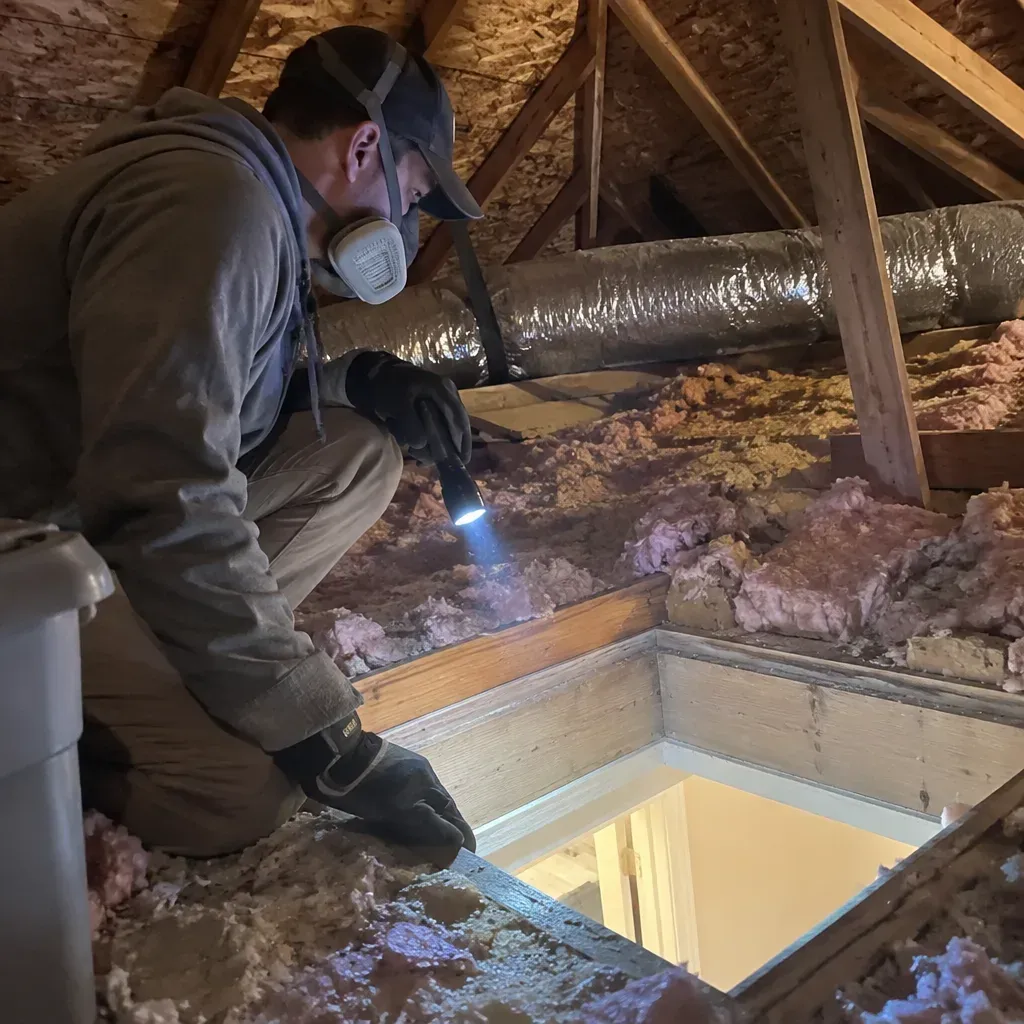
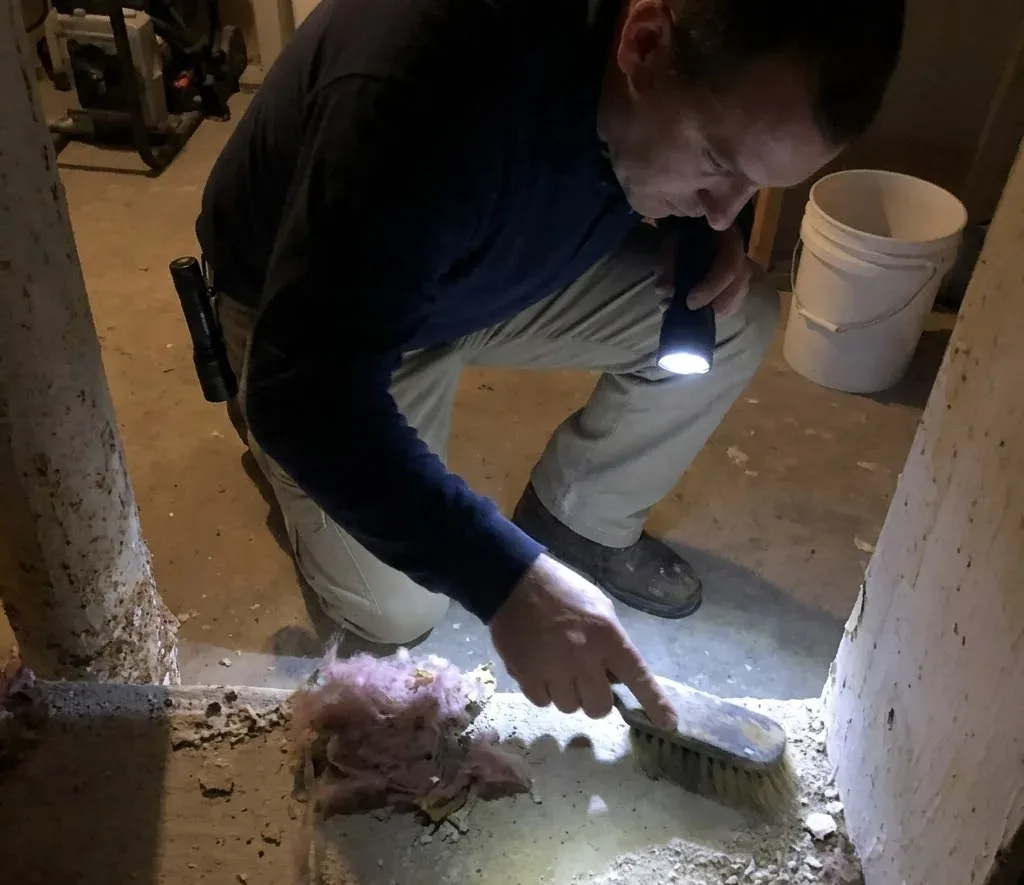
Begin with a visual check of the basement floor and the edges of stored items. A flashlight can help you see changes in color or texture without moving anything. Gnawing may appear as rough damage on boxes or other belongings. These clues do not confirm which animal is present, but they give you a starting point. Look from a clear position and leave the items where they are while you check the surrounding area.
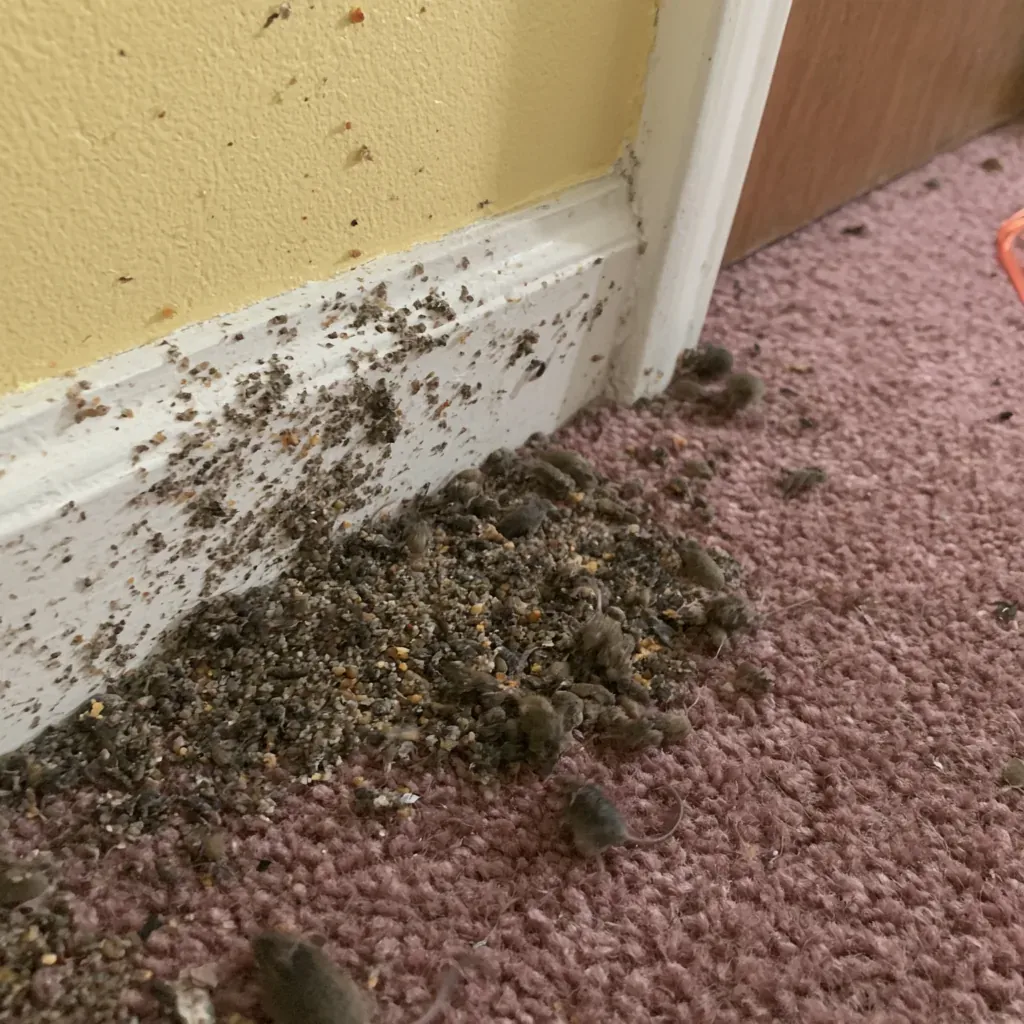
Start by looking at stored items and nearby surfaces without handling anything. Droppings, gnawed edges, or scraps that could be nesting material are clues to record; one clue alone may not show how much activity is present. Note what you saw and the exact spot, including whether the evidence looks recent. This gives you a useful account if you later request an inspection. A mix of fresh and older evidence may help show whether activity is continuing or the signs could be leftover.
Keep People Clear of Suspect Areas
Treat droppings, urine, and nesting debris as material to leave undisturbed. Keep children and pets out of that part of the basement while you make notes from a clear distance. If their food or water is nearby, move it only if you can do so without crossing the affected area. A sighting is useful to record too: write down when and where you saw the animal, then avoid returning to the spot to investigate. If evidence continues, consider asking for an inspection.
Soft insulation or fabric may also be taken for nesting material. Add whether the clue looked fresh or appeared alongside older debris, without trying to test or move it. A brief record lets you compare later observations and explain the pattern if you request an inspection. Keep the notes factual; the location and type of evidence are more useful than a guess about its cause.
Check Food Access and Room Edges
Once you have recorded the signs, check whether food is available in the basement. Moisture can also matter, so note any leaks or dampness that might provide rodents with another resource. This can reduce what attracts basement rodents, though it will not close a route into the house. Clear only what you can move safely, and note any storage or food source that you cannot reach without entering the affected area.
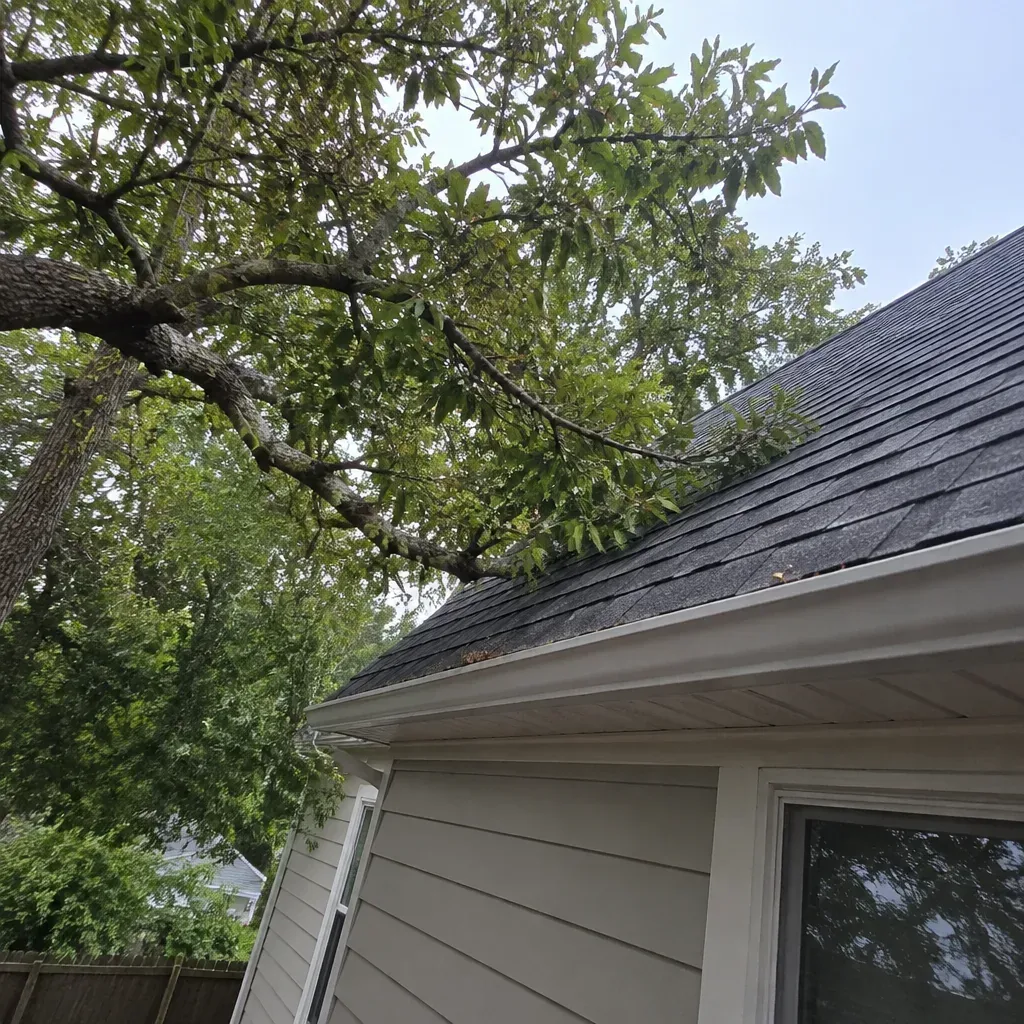
From the open part of the room, scan visible edges for possible access: gaps where pipes or utility lines pass through, spaces at a door, or openings along the foundation. A worn edge or faint rub mark can suggest repeated passage, though it cannot confirm an active route. You do not need to measure or block an opening to record it. Mark its location in your notes and whether nearby evidence could connect to it; an inspection can assess which openings matter and what response fits.
Assess Openings and Next Steps
A faint draft or sliver of light along a seam may make an opening easier to notice from a safe distance. A small opening in one of these places could let mice in; rats can use larger gaps. Do not pull at fittings or move heavy items to inspect behind them. Mark any opening you can see and include it in your notes. An inspection can assess whether it provides access and help guide a response.
Start with a quick visual check from a safe distance: look for droppings, chewed packaging, or shredded material in basement corners and near stored food. Next, note where each clue appears and whether several signs gather along one edge or near a pipe. A faint musky odor can also point to hidden nesting material or repeated activity. Then reduce accessible food and excess clutter so the signs are easier to track. If evidence continues, consider asking the pros we connect you with to assess activity and possible openings.
Dealing with rodent activity in your home?
Your inspection cost starts with the scope of the visit; $80–$175 displays the current band. Describe what prompted your request so the licensed pros we connect you with can discuss the visit’s scope. Locations with their own pages are described separately; requests from other places use the same referral. Ask the pros we connect you with whether they serve your address, what the visit includes, when an appointment is available, and what charges apply.