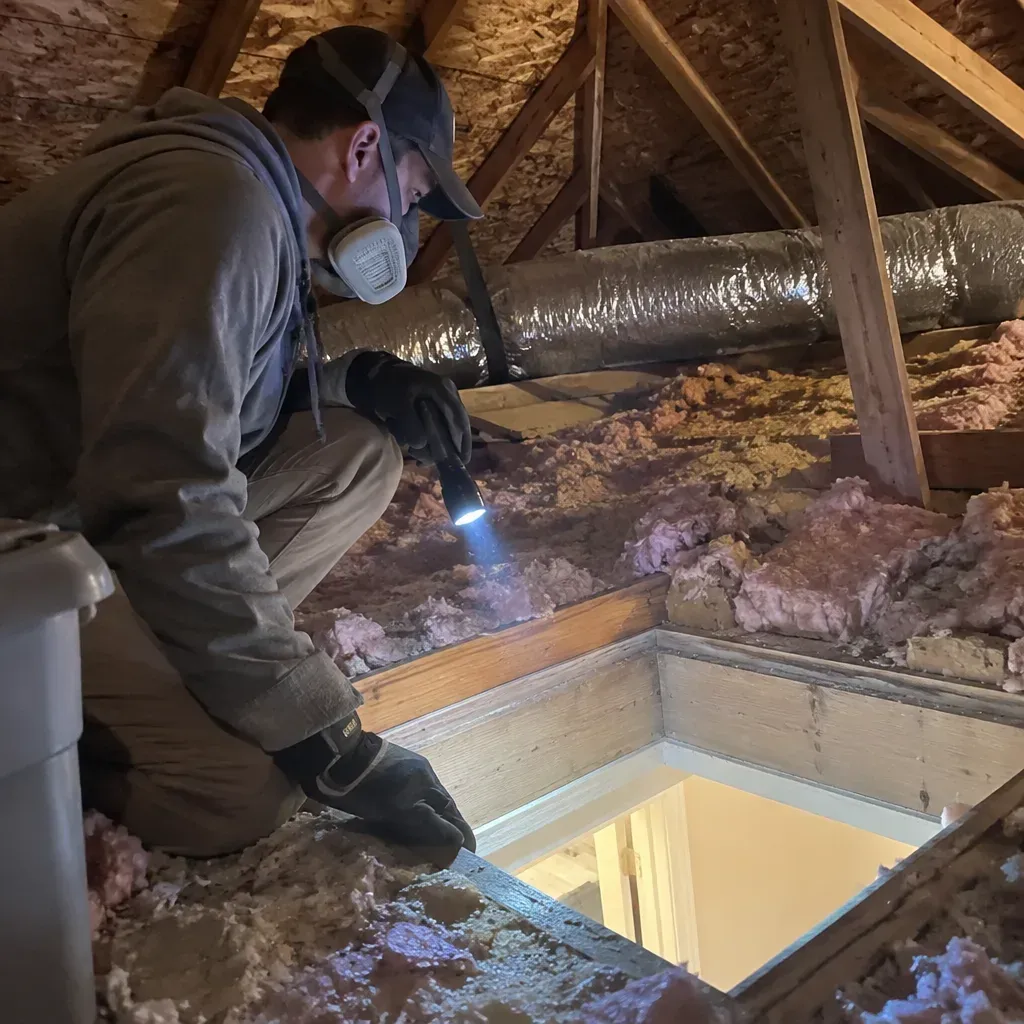
How Many Mice?
One mouse does not reveal how many may be nearby. Learn how recurring sounds, droppings, food access, and hidden shelter add context—and when an inspection may help.
Read article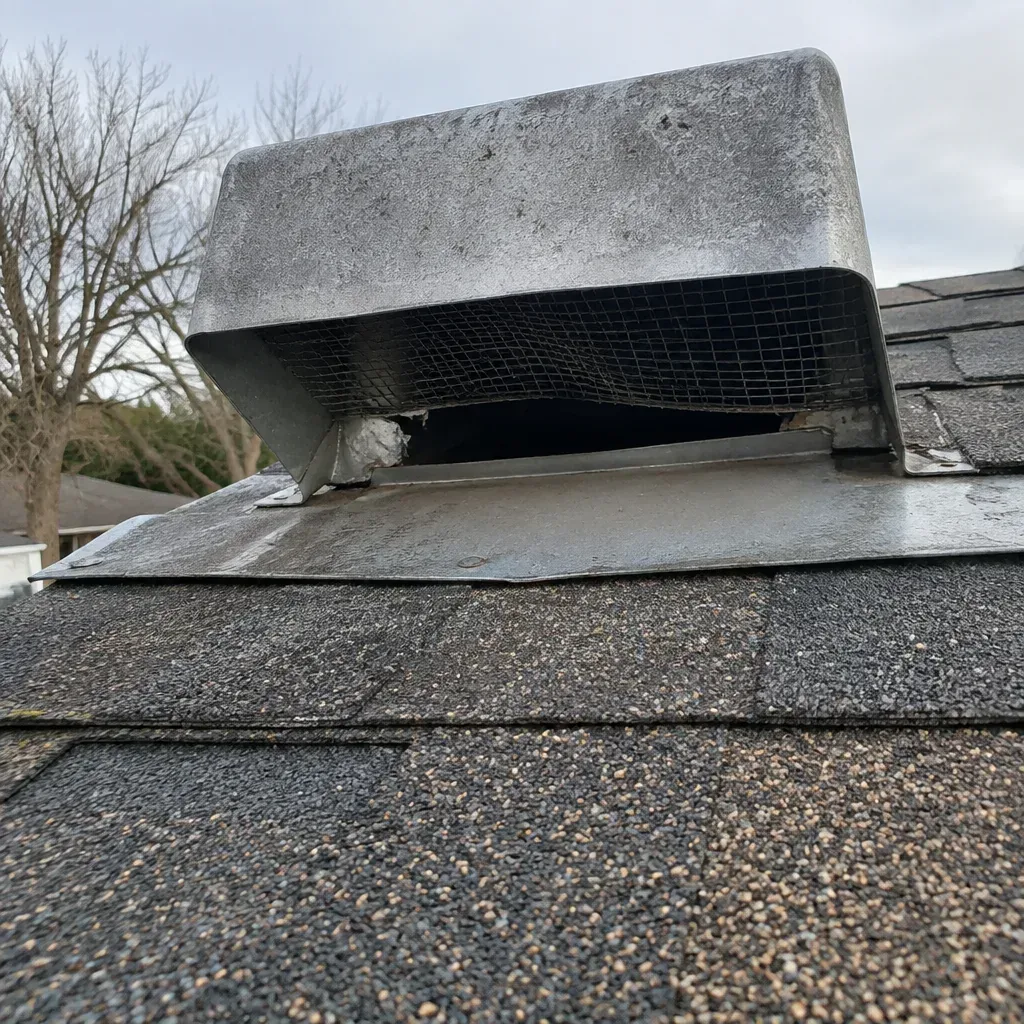
Professional trapping guided by rodent signs, household access, and follow-up needs
In older Northeast row houses, a mouse may slip through a shared wall, while in a Gulf Coast home, a damp crawlspace can make entry points harder to spot. Across the country, changing temperatures send rodents toward sheltered spaces, but the clues differ with the building, season, and neighborhood. A faint rustle in one room can point to activity behind a wall or beneath a floor. The pros we connect you with typically inspect likely travel paths and entry gaps first, then choose trap types and locations based on the space and signs they find. Trap placement, return checks, and catch handling affect the scope and timing. Tight city parking or a locked crawlspace can slow access; rural properties may mean longer drives between visits.
The cost and visit length depend on how many areas need devices, whether those spots are easy to reach, and how often the plan calls for return checks. A pro first compares reported signs with accessible locations, then chooses trap types and positions that can be inspected without disrupting household routines. Locked rooms, clutter, pets, or limited access can change the layout or timing; a trap left unchecked or shifted may provide little useful information.
What you notice indoors can vary between properties, so Rodent Trapping considers reported signs alongside building access points in the United States and Auburn AL, Birmingham AL and Homewood AL.
If you handle your own household, residential rodent control is the relevant guide; property managers and business operators can use commercial rodent control for their settings.
A trap set where you find a cluster of droppings may help determine whether that route is still active. Droppings alone may not show whether rodents are still using a route, so compare them with other signs nearby. Those details help distinguish a useful device location from a spot that is merely easy to reach. Avoid stirring up droppings during cleanup, since contaminated dust can pose a health concern.
Scratching or scurrying heard above a ceiling or behind a wall can leave you unsure where a trap could be checked safely. Sound alone does not identify a precise travel route or confirm which rodent is present. Droppings or gnaw marks can offer a visible clue when sound alone leaves the source uncertain. Those observations give the pro useful context for deciding whether nearby accessible locations can support monitored traps.
Scratching in a wall or ceiling can make one room seem like the center of activity, though sound may travel through the structure. A repeated sound may offer a clearer pattern than a single noise, especially when its timing stays consistent. The pro can use the pattern to assess possible travel routes and choose a location that can be checked safely. A sound alone is not enough to determine which rodent is present.
The pro checks which household areas allow practical access to placed devices, so scheduled trap checks can happen without disrupting normal use.
Likely movement routes guide trap type and position; the pro also considers household traffic and whether each spot stays reachable for inspection.
Before setting devices, the pro identifies their locations, explains precautions for the household, and agrees how to report a catch or moved trap.
Changes in household access or conditions since placement may also affect the next steps.
A ranch may have long wall runs, while a split-level can divide activity between floors and make a device harder to reach. Stored belongings on a subdivision lot can also narrow access to a suspected route. These differences affect where a pro can place traps and how reliably they can be checked. Sharing the signs and household access limits helps shape a plan that fits the home.
Before devices are placed, tell the pro which rooms children, pets, or visitors use and identify areas where accidental contact is a concern. Agree on where each trap will go and how you will recognize it, so household members do not move it during the service period. Mention mobility needs or walkways that must stay clear so device locations do not obstruct household movement.
A follow-up plan only works if the person checking each device can reach it when scheduled. Mention locked storage rooms, changing work hours, or spaces that are sometimes occupied, then agree on practical access for return visits. Report changes in access promptly so a missed visit does not leave the follow-up plan unclear. Check timing depends on the service plan and provider.
Treat Rodent Trapping figures in the United States as estimates; confirm the inspection visit charge with the pros we connect you with, then get included tasks documented.
| Field Indicators | Included Tasks | Cost Basis |
|---|---|---|
| One Room | Assess evidence and entry concerns only; treatment, exclusion work, and later activity reviews are excluded. | an estimated $350–$475 |
| Room Pair | Inspection with agreed baiting or trapping and entry sealing; device checks afterward are not included. | an estimated $400–$620 |
| Room Group | Inspect signs, use agreed traps or bait, and monitor activity; entry-point repairs are excluded. | an estimated $350–$475 |
| Building Reach | Assessment, agreed rodent control, and selected entry repairs; follow-up applies only when offered and accepted. | an estimated $840–$1,900 |
Work in a tight attic or behind stored belongings may take more effort to reach than open areas, which can affect labor. Device placement and follow-up reviews also shape the service scope. The pricing guide can help you compare those parts of an estimate.
A single dropping or sound may not be enough to decide whether trapping is the right next step. It can suit a focused problem in an accessible room, or form part of a wider plan when activity appears in several areas. The pro should explain what the findings support and whether follow-up monitoring or other control steps are appropriate.
A pro uses the sign locations and likely travel paths to select a trap type and position. The chosen spot also needs to remain accessible for checks and fit household conditions, including foot traffic and areas used by children or pets. Tell the pro if cleaning routines or stored items could block access to a planned device.
The provider should explain the check schedule before setting devices, since timing follows the service plan. At a return visit, the pro can record whether each trap has caught a rodent, remains undisturbed, or has moved. That information helps determine whether the placement is useful and whether the plan needs adjustment.
Tell the pro about children, pets, and busy household areas before placement. Ask how each device will be positioned or secured to limit accidental contact, and make sure household members know which areas to avoid. If a device shifts or is damaged, leave it alone and ask the provider how to proceed.
Make a note of where the trap is and whether it has triggered, then follow the service plan for its next check. Leaving its position unchanged helps preserve the location information the pro needs to interpret the catch and assess nearby activity. If the plan does not explain who handles a catch, ask the provider before removing or disposing of anything.
Changes to food storage or clutter may also support a broader rodent control plan. An inspection may also identify possible access points, and the provider can discuss sealing or continued monitoring where appropriate. Which steps fit depends on the findings and the services offered.
Rodent control has an estimated band of $80–$175 for this work, with activity signs and the need to seal entry gaps affecting the figure. The pros we connect you with confirm the amount for your property.
Inspection findings and property access can shape which control options a provider discusses.
One mouse does not reveal how many may be nearby. Learn how recurring sounds, droppings, food access, and hidden shelter add context—and when an inspection may help.
Read article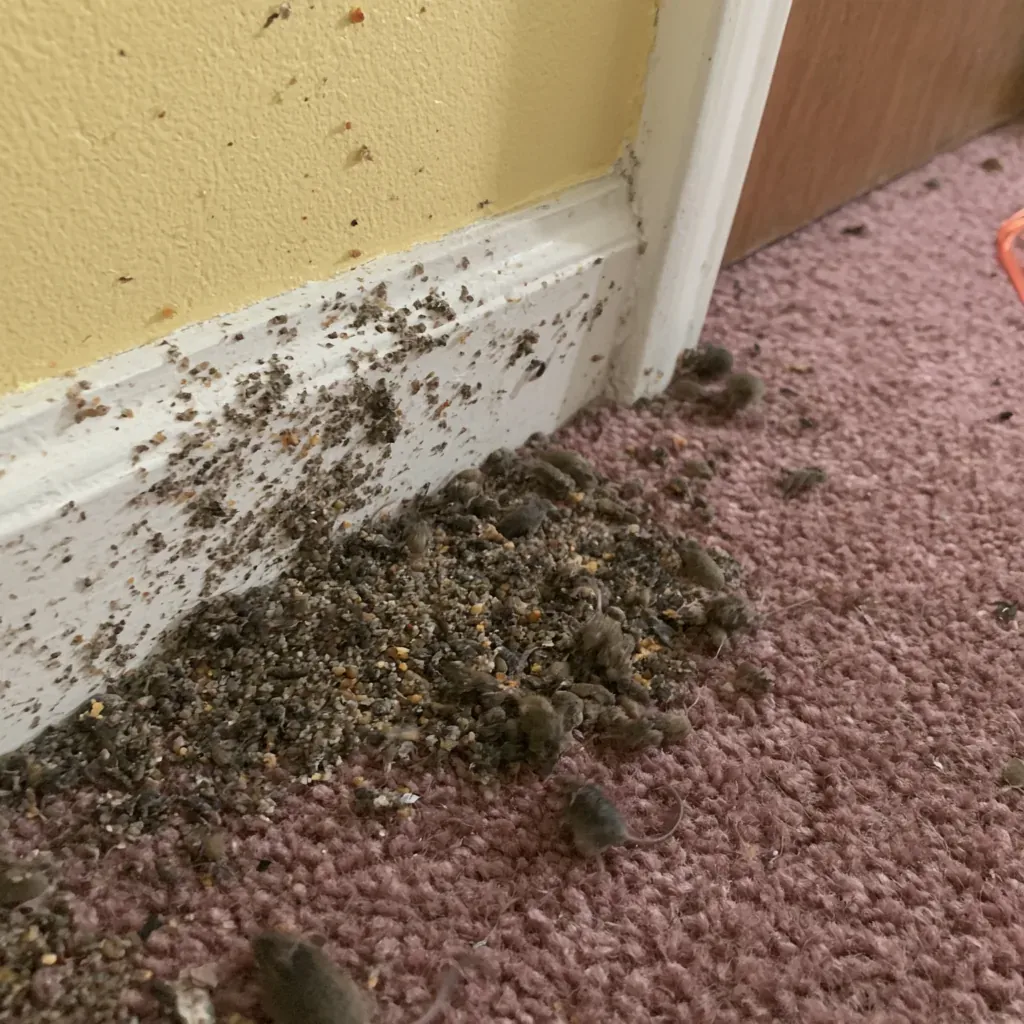
Compare body shape, tail, droppings, and activity signs in order to judge whether a brief home sighting was a rat or mouse.
Read article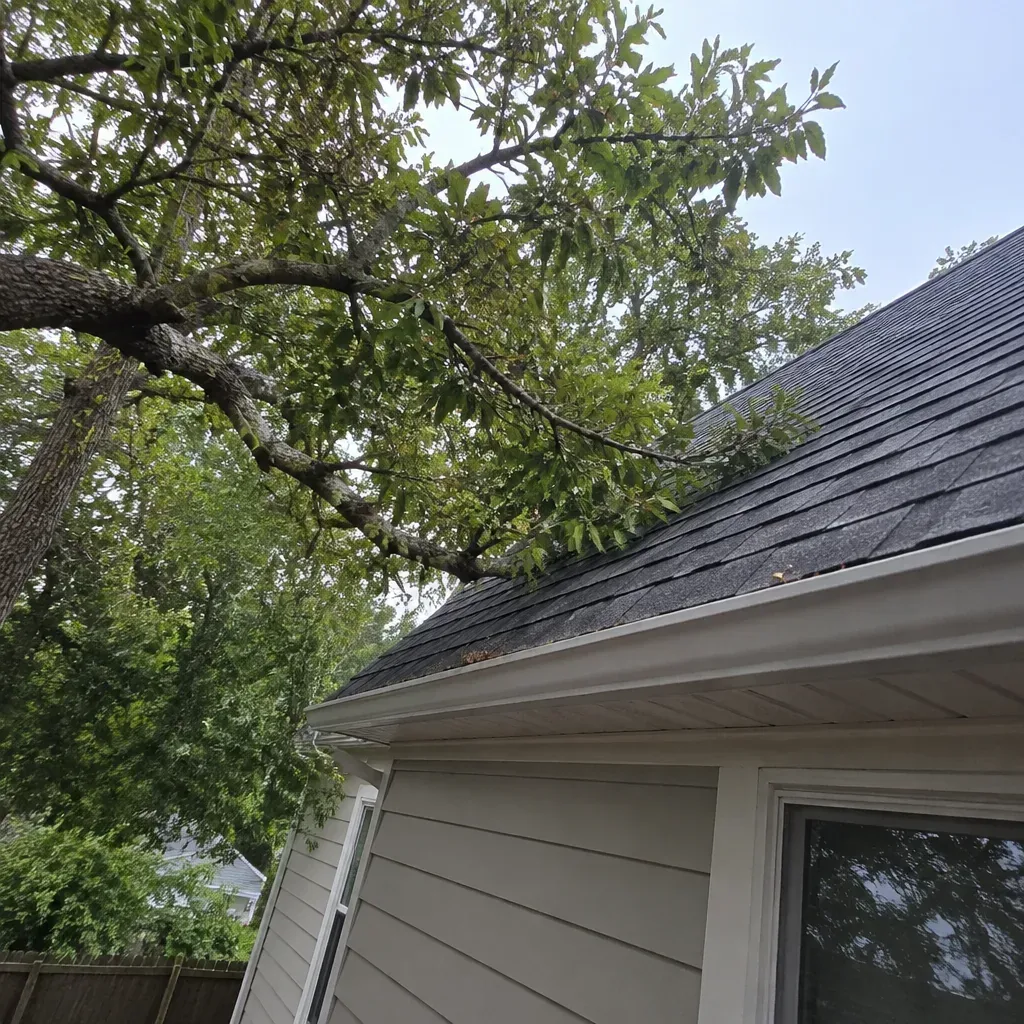
A shed can hide rodent activity among stored supplies. Follow an ordered check for signs, food, clutter, and possible access, then learn when an inspection may help.
Read articleNearby Areas pages identify locations with their own pages. For a place without one, the request can still go through the same referral, though availability must be checked for the specific address. When you call, mention whether the concern is inside a home, garage, or another building area. Ask when an inspection could take place, whether there is a visit charge, what work the provider would include, and whether any warranty terms apply. Those details can vary by provider.
Call (866) 583-0187