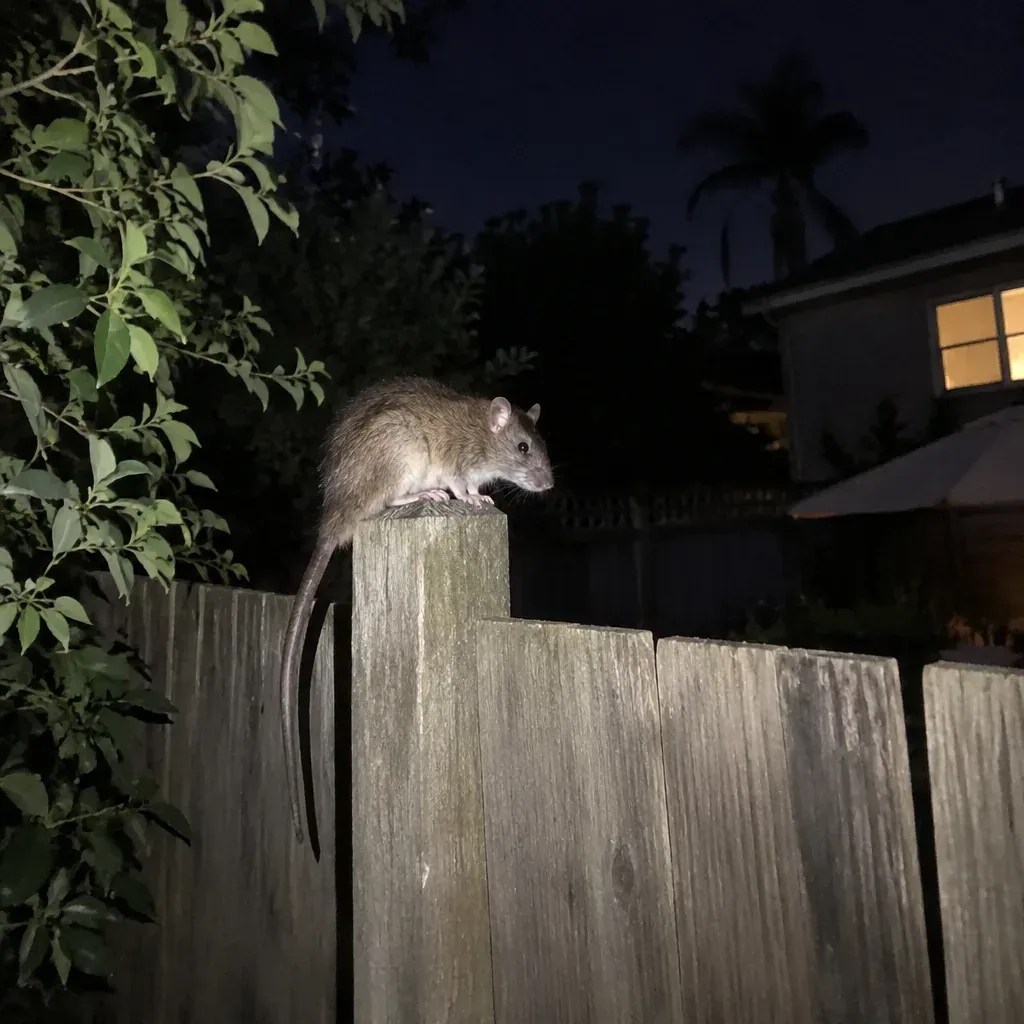
Rodent Types
Rat and Mouse Control for the United States Homes
Scratching in a wall, droppings near food, or gnaw marks can help pinpoint where rodents are moving. The independent licensed pros we connect you with can assess the signs, discuss whether traps or bait are appropriate, and look for gaps around pipes, doors, or foundations that may let them inside. They can explain options for closing those openings and ways to reduce future access. Ask each pro whether monitoring after the initial work is available and what it would include.
CLEANUP CARE
Inspection cost is $80–$175; the approach depends on signs inside the building, openings that could allow access, and what needs protection at the site. This hub focuses on rats and mice in buildings, separate from wildlife concerns. You might notice droppings, gnawing, or sounds; an inspection can help assess what they mean. Food sources can draw rodents indoors, so the inspection may consider what is attracting them. Ask how the plan accounts for children, pets, or business operations.
Rodent concerns can involve signs of activity, possible entry points, or both. Those clues help guide the inspection and the next steps. Follow-up monitoring may be available after the selected steps to check for continued activity. The pros we connect you with can explain placement, precautions, and whether return checks are included. The work offered and the monitoring schedule depend on the findings and the provider.
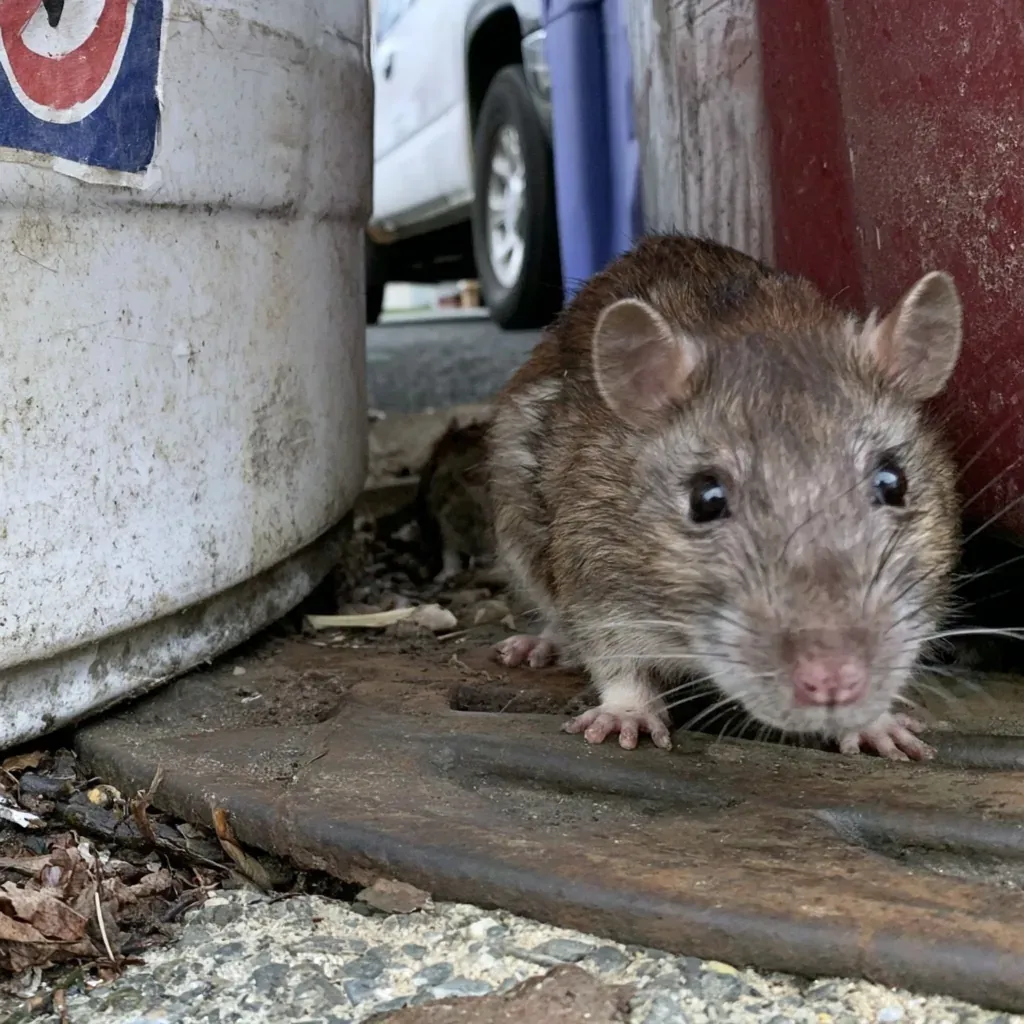
Common Questions
Rodent Control Guide
Can rodents damage insulation or wiring?
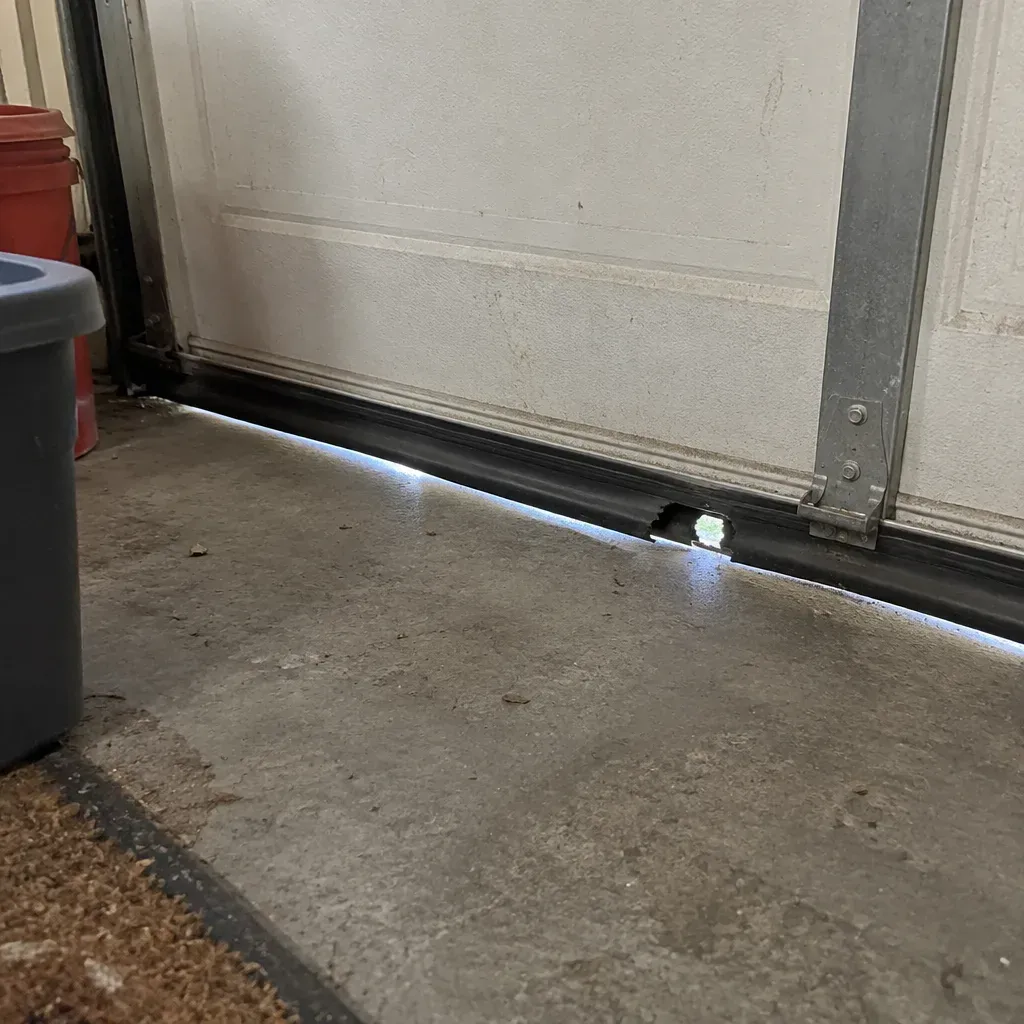
The presence of children or pets can affect whether bait stations are considered as part of a rodent control plan. In a ranch or split-level house, an open gap near a utility line can leave a way inside even after rodents are addressed. Accessible food can also support activity. A plan may combine control measures with closing entry routes and prevention guidance, since treating activity alone does not remove the conditions that can bring rodents back.
How can open access gaps affect a rodent control plan?
Bait placement and product choice can affect the cost of service, and children, pets, and the conditions at your home matter when a provider considers bait stations. Trapping may also be part of the work, alongside bait use, depending on the control measures selected for the home. Any bait used must follow its product directions, including instructions about keeping children and pets away from treated areas or devices.
Why address openings if rodents are already inside?
Treating activity indoors does not close the routes rodents may use to get back in. Food left within reach can encourage rodents to remain active inside after treatment. An inspection helps identify which openings matter and whether sealing fits the plan. On a ranch or split-level, the relevant access points depend on the structure and findings; available work varies by provider and situation.
What should I expect from rodent control follow-up?
Rodent service depends on the signs found and your home's layout. The pros we connect you with may choose trapping or baiting based on site conditions, while sealing gaps can reduce access to the building. Signs of gnawing can help show where rodents are active and where follow-up may be needed. Storing food in sealed containers can limit available food sources, but it does not close openings or replace the selected control measures.
Rodent Assistance
Assess Rodent Concerns in Your Home
A home and a business can present different patterns of access, storage, and daily use. The time of day signs are noticed can help describe when activity seems to occur. Ask what evidence will be recorded so you can understand how the recommendations were chosen. Confirm whether service is available at the property, what the inspection visit costs, and what the written scope includes. If devices or follow-up checks are proposed, ask how they will be monitored under the service plan.
Call (866) 583-0187