Entry Points Explained
Rodent Entry Points Explained for the United States
Where might rats or mice travel, what clues can help locate their routes, and how could a provider address openings they use?
CLEANUP CARE
Rodent evidence may include droppings, gnawed packaging, nesting scraps, or sounds, and signs can occur away from an entry route. Leave gnawed materials where they are until you have noted their location and condition. Note the rooms involved and any access concerns for children, pets, or business operations, then ask the pros we connect you with about inspection and treatment guidance.
The guides follow rodent work from recognizing activity to locating access, understanding trapping or baiting, and planning exclusion, follow-up, and service estimates in the United States. Projected rodent service bands can be found in the pricing guide.
Treatment Steps
Rodent Control Service Steps
Common Questions
Rodent Control Guide
What does a rodent trap do when activity is found indoors?
A trap is meant to capture a rodent that reaches it, so it can address activity along a route inside your home. The licensed pros we connect you with can consider whether activity continues after a trap is set. Trapping does not close gaps that allow rodents indoors; an inspection can show whether capture, baiting, or other measures fit the situation.
How does a bait station fit into a rodent control plan?
Avoid moving or opening traps and bait stations, since changing their position can affect how they address rodent activity. If you find droppings or urine, do not dry sweep or vacuum the area; stirring dust can spread germs. The pros we connect you with can explain what to do about devices and contaminated areas based on the site and service plan.
What can a monitoring device tell me about rodent activity?
A monitoring device can help show whether rodent activity is still present and which areas may need follow-up. That information can guide decisions about attention to the site or control measures. Monitoring alone does not capture rodents, use bait, or close entry gaps. The provider can explain what the device tracks and when checks are included in the service plan.
When might exclusion materials be needed around my house?
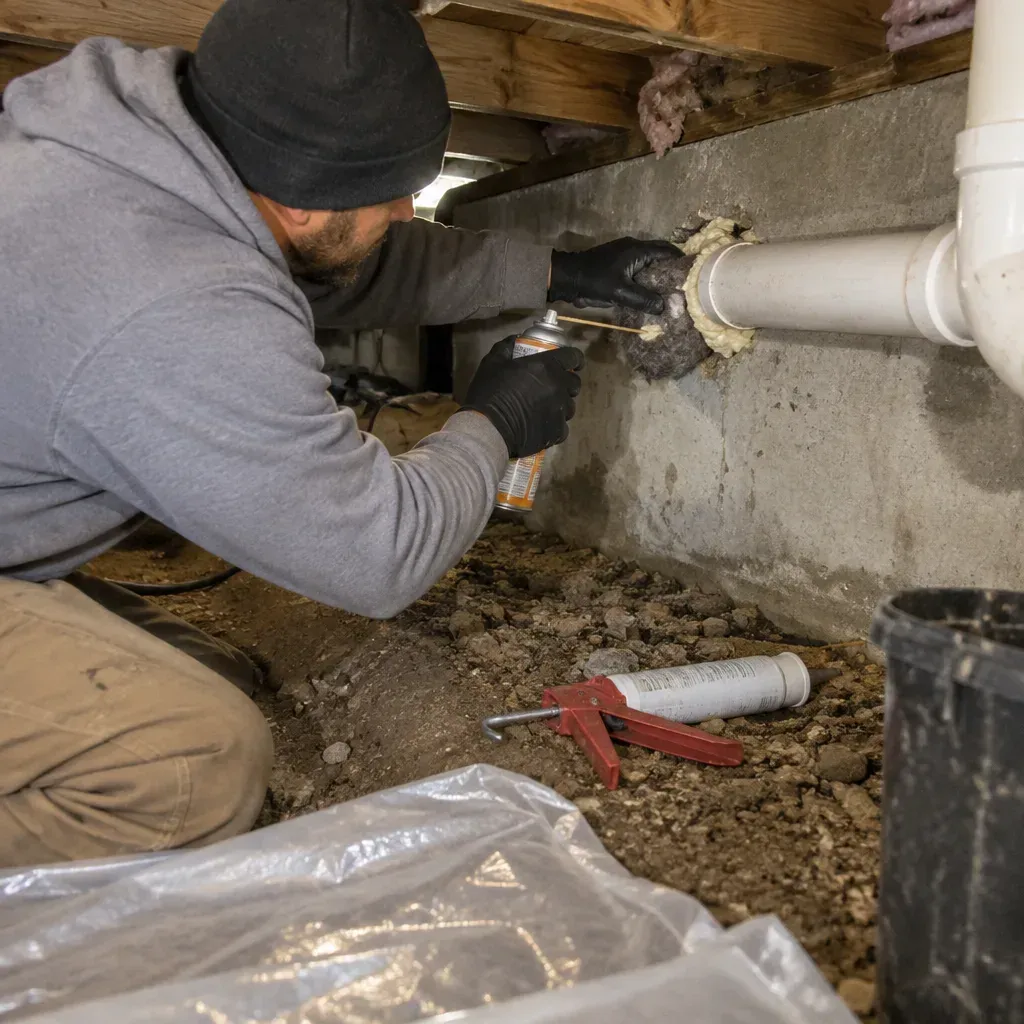
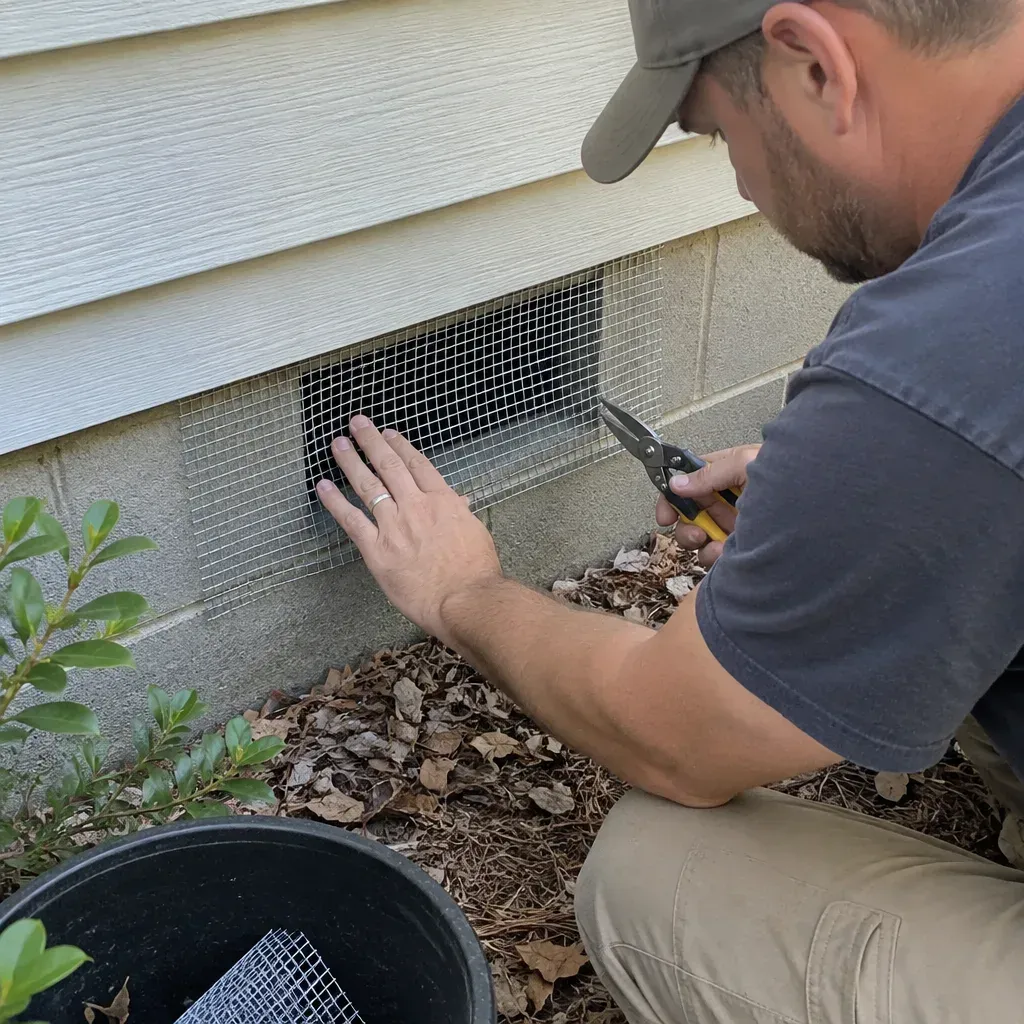
Exclusion materials are used to close openings that could give rodents a way into your home. An inspection may look at gaps around doors, pipes, or foundations and identify which ones warrant attention. The material chosen for an opening should suit the surface around it. The appropriate steps depend on the inspection and the building.
Rodent Assistance
Not sure where rodents are getting in?
Tell the pros we connect you with what activity you noticed, then ask about availability, scheduling, the inspection fee, written work details, and any warranty terms.
Call (866) 583-0187