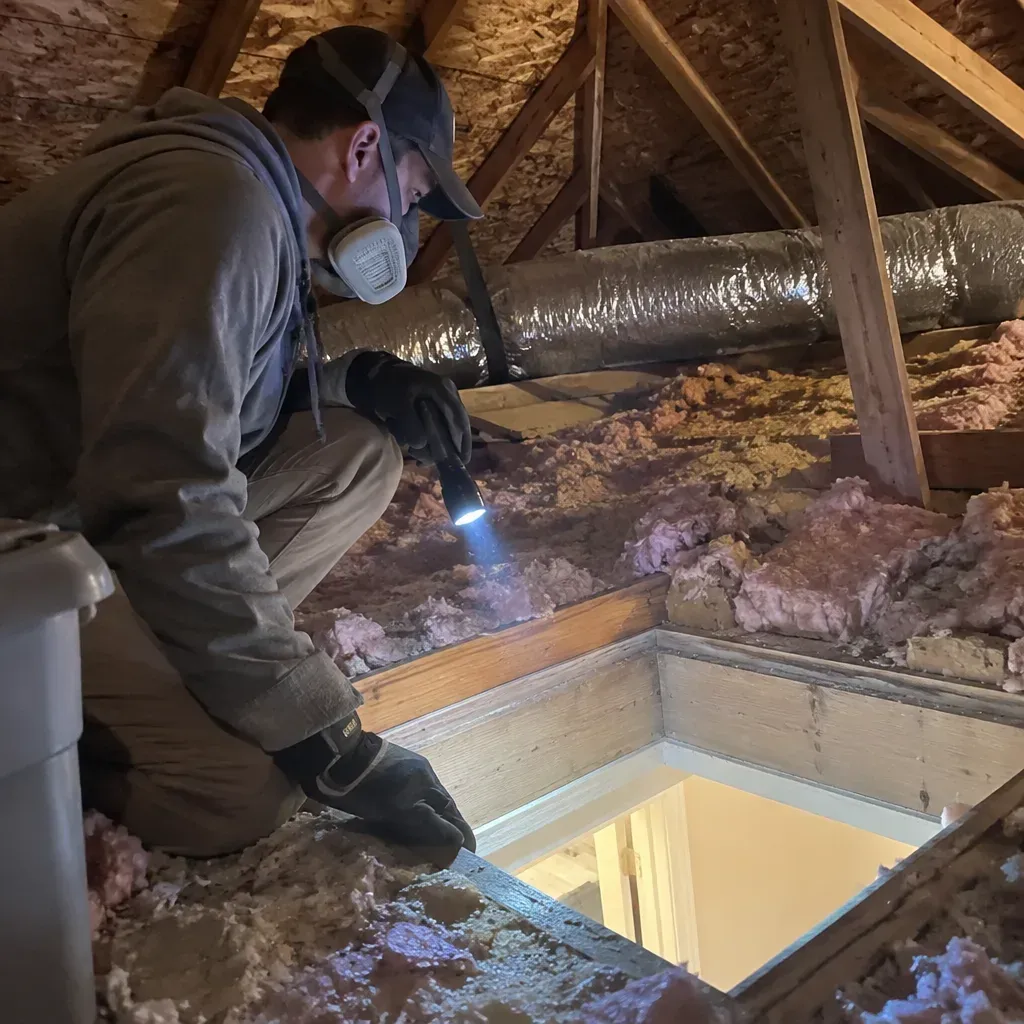
How Many Mice?
One mouse does not reveal how many may be nearby. Learn how recurring sounds, droppings, food access, and hidden shelter add context—and when an inspection may help.
Read article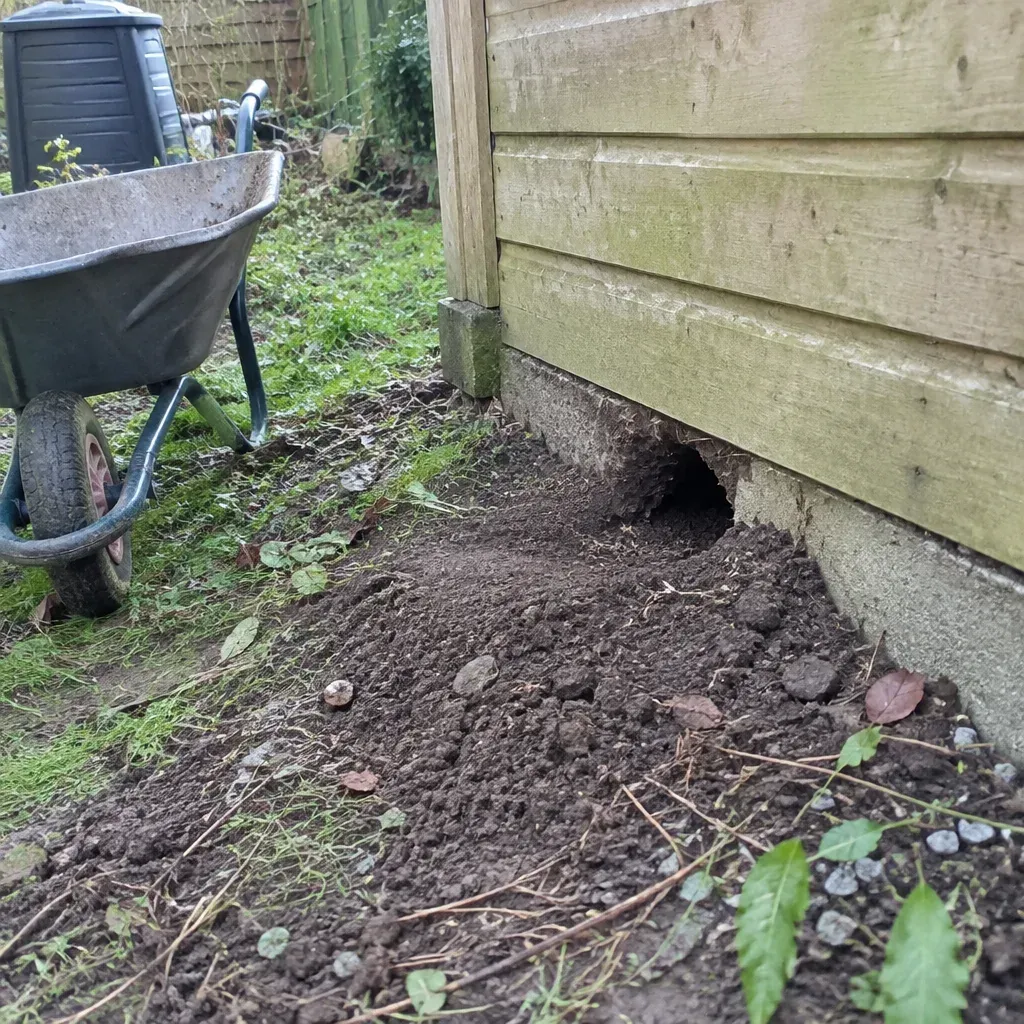
Rat control options based on activity, access, and household needs
Rat activity can look different from one property to another: a ranch may show marks near a crawlspace, while a split-level may have signs by a garage or lower entry. Weather and building layouts vary across the United States, so a sighting in one room does not reveal where rats are getting in. Note where you see droppings, gnawing, or disturbed materials, and which areas are affected. Those details help the pros we connect you with assess whether rat control fits.
A rat control estimate can reflect the layout of the property, how many separate areas show activity, and the travel needed to reach the address. After you describe what you have seen, the pro can inspect accessible routes and likely openings, then explain which control steps fit the findings. A detached garage, a crowded utility space, or limited access to a foundation edge can change the visit’s scope. Ask how the estimate handles those conditions before work begins.
Openings around utility lines may shape rodent travel; Rat Control can account for those access conditions at properties in the United States and across Homewood AL, Anniston AL and Auburn AL.
Choose according to your responsibility: residential rodent control covers household service, while commercial rodent control is intended for rental and commercial oversight.
Dark, tapered droppings near a pantry, garage, or utility area can mark places rats have been traveling. Gnawed food packaging or chewed edges on stored goods may add evidence, especially when the damage appears alongside droppings. These clues suggest activity but cannot show its full extent. Record the room and nearby surfaces without disturbing the material; a professional inspection can use the locations to assess routes and decide where control measures may be appropriate.
A rat moving inside a wall or above a ceiling may produce scraping, rustling, or thumps that come and go. Gnaw marks or dark rub marks along a surface can provide another clue. Note the time and location, and whether the noise recurs near a doorway, pipe run, or lower level. Sharing those observations can help the pro focus an inspection on reachable routes and potential openings.
You may notice torn food packaging, droppings along a wall, or coarse scraps gathered in a quiet space such as a garage or basement. These clues can mark places rats visit or shelter, but they do not establish the full route through a house. Gnaw marks on wood or plastic can show where rats have been chewing to reach food or pass through an opening. Avoid disturbing suspected nesting material while you record what you found.
The pro reviews your notes about droppings, gnawing, or noises and identifies which rooms and access concerns should guide the visit.
Accessible routes and possible openings near utility lines, doors, and foundations are examined to locate how rats may be moving through the property.
Findings shape the proposed control approach, including whether trapping or baiting fits and which reachable gaps may be suitable for sealing.
When follow-up is included, the provider checks activity signs and device condition at the intervals set in the agreed service plan.
A ranch may have a long foundation edge, while a split-level can place utility spaces on different floors. Those layouts affect which routes a pro can inspect and where a gap may connect to an area with food or stored supplies. Closing an accessible opening can help limit reentry, but the recommendation should follow what the inspection finds. Describe outbuildings and the rooms where you have seen rat signs when arranging service.
Cost depends on whether findings call for trapping or baiting alone, or also sealing and follow-up. The inspection's scope depends on what can be reached, so inaccessible routes or openings may not be part of the assessment. An inspection can assess rat activity and check accessible routes and openings near pipes, doors, or foundations. When asking to connect, share those signs and locations. The pros we connect you with can explain options and monitoring. The site has separate pages for some places; elsewhere in its stated coverage, the same referral connects you with a local pro.
A useful estimate separates the areas assessed from the work proposed for each one. Ask whether the scope includes control devices, sealing accessible openings, and any later monitoring, since providers may offer different combinations. If a crawlspace, utility room, or storage area cannot be reached, clarify how that affects the inspection and whether the plan may change once access is available. This makes the expected work easier to understand before service starts.
In the United States, Rat Control costs are estimates. Before arranging service, ask connected providers to state the visit fee and put the work included into writing.
| Rodent Presence | Service Outline | Expense Estimate |
|---|---|---|
| Basic Setup | Review signs and likely access points; no trapping, baiting, gap repairs, or follow-up checks. | an estimated $325–$575 |
| Trap Placement | Review activity, carry out agreed device control, and close selected entry gaps; no later monitoring. | an estimated $375–$750 |
| Exclusion Work | Inspection-led trapping or baiting with follow-up checks; sealing access points is not included. | an estimated $325–$575 |
| Combined Measures | Inspect activity and access, provide agreed trapping or baiting and sealing, with monitoring if included. | an estimated $780–$2,300 |
Compare estimates by checking whether the stated amount covers the initial visit, device monitoring, and any work to limit rodent access. Added services or more durable repair materials can change the total. The pricing guide explains which parts of a plan may affect cost.
For active rats, a rat treatment can focus on places showing current signs and openings that may connect those areas to the outside. The licensed pros we connect you with can look for patterns in those signs to understand how rats are using the property. The inspection findings can guide whether trapping or baiting, entry-point sealing, and follow-up monitoring are offered for your property.
The estimate may account for separate structures, such as a detached garage, and for how the provider defines the initial visit. Ask whether the proposal describes inspection and control work together or as separate parts, and what would prompt a revised estimate. A clear scope helps you compare proposals without assuming that every provider includes the same tasks or return service.
Keep people and pets away from suspected rat waste or nesting material, and avoid sweeping or vacuuming dry debris that could send dust into the air. Droppings can be difficult to distinguish from waste left by other pests. If bait is used, ask about placement and precautions, then follow the product directions for keeping household members away.
A follow-up visit can let the pro look for continuing rat signs and check whether devices remain in position. Those findings may guide a change to the control approach or show that another step needs attention. Ask what the provider considers during a monitoring visit and whether the service includes a written update on the findings.
A provider may recommend sealing openings that the inspection identifies as suitable to close. Traps or bait can address rats in active areas, while sealing can reduce access through gaps around pipes, doors, or foundations. Ask how the provider will check that each treated opening stays closed.
Some service areas have dedicated pages that identify places with local information. An address without its own page may still use the site's referral path to connect with the pros we connect you with. A listed page does not establish that every nearby address is served, so confirm your address and availability when you inquire.
The estimated band for rat control is $325–$575 for this work. Follow-up monitoring may add work after initial control, so the pros we connect you with confirm whether checks are included and the resulting figure.
Licensing is part of how the passage describes the pros included in its referral.
One mouse does not reveal how many may be nearby. Learn how recurring sounds, droppings, food access, and hidden shelter add context—and when an inspection may help.
Read article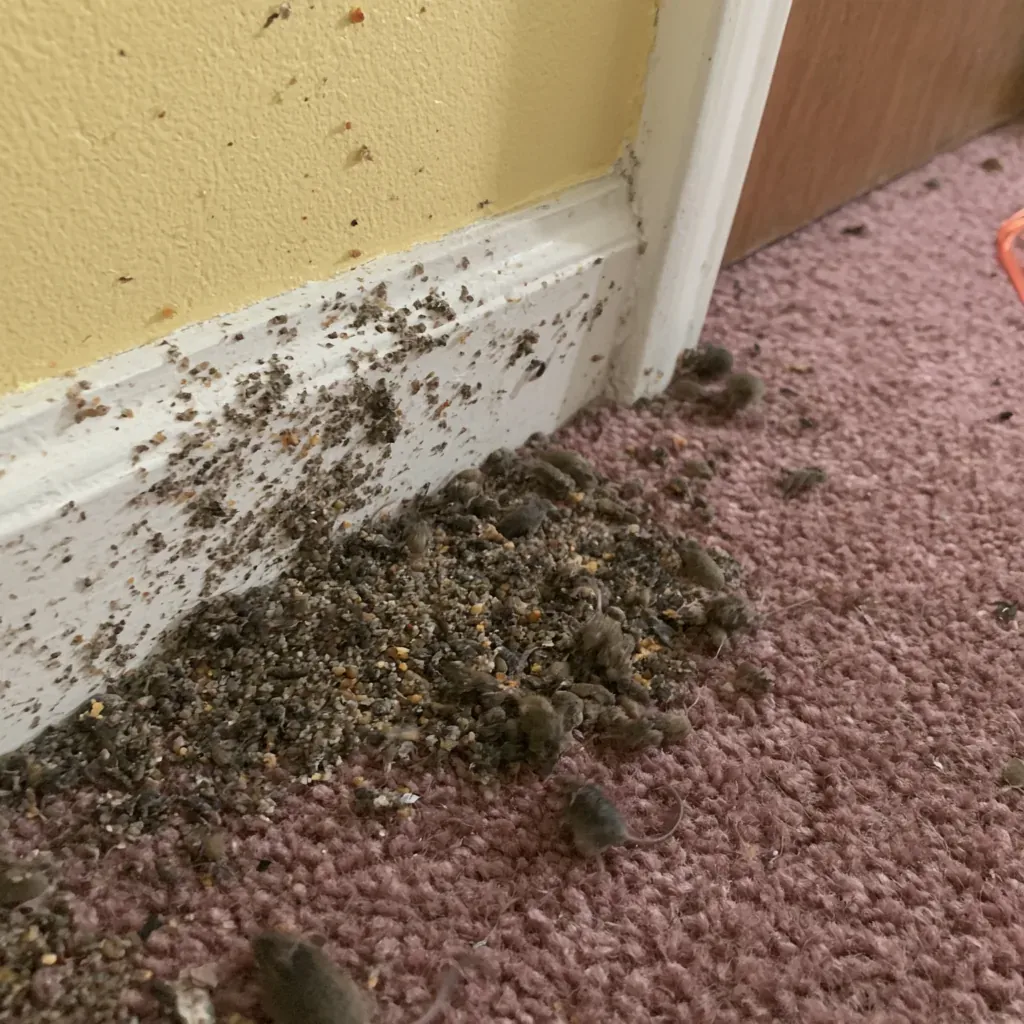
Compare body shape, tail, droppings, and activity signs in order to judge whether a brief home sighting was a rat or mouse.
Read articleNearby Areas pages identify locations with their own pages. For a place without one, the request can still go through the same referral, though availability must be checked for the specific address. When you call, mention whether the concern is inside a home, garage, or another building area. Ask when an inspection could take place, whether there is a visit charge, what work the provider would include, and whether any warranty terms apply. Those details can vary by provider.
Call (866) 583-0187