Control Choices Follow Inspection Findings
Across the United States, seasonal temperature changes can make pipes and building materials expand or shift, creating sounds behind finished surfaces. Heating use may also change the timing of those noises. Air ducts can also shift a panel as airflow changes.
Ranches, split-levels, and subdivision homes can route sound differently through walls and ceilings, so the apparent source may not be the actual one. Ceilings can carry sounds from nearby walls, making the source harder to pinpoint.
Rodent-control pages are available for selected cities and counties in the states listed by this site. For places without a dedicated page, the same referral can connect you with pros; share your location so they can discuss the property.
When Rodent Activity Persists
- SOUND RHYTHM
- A sound heard through framing may seem to come from a different section than its actual source.
- TIME PATTERN
- Noise that tracks a fan or heating cycle gives an inspector a system-related clue to compare.
- POSSIBLE CAUSES
- Fresh damage on exposed trim adds a physical clue alongside a reported rasping sound.
- INSPECTION REACH
- An opening around a utility line may offer a route into a concealed wall space.
- HIDDEN SPACE
- A closed cavity can limit device placement even when nearby evidence supports rodent activity.
- GNaw MARKS
- As temperatures change, pipes and framing can expand or shift, and heating use may add new sounds behind walls or ceilings. Compare noise timing with household systems. Seasonal patterns can guide an inspection, but do not identify rodents by themselves.
- SITE CONDITIONS
- an estimated $80–$175
Scraped Surfaces Do Not Prove Rodents
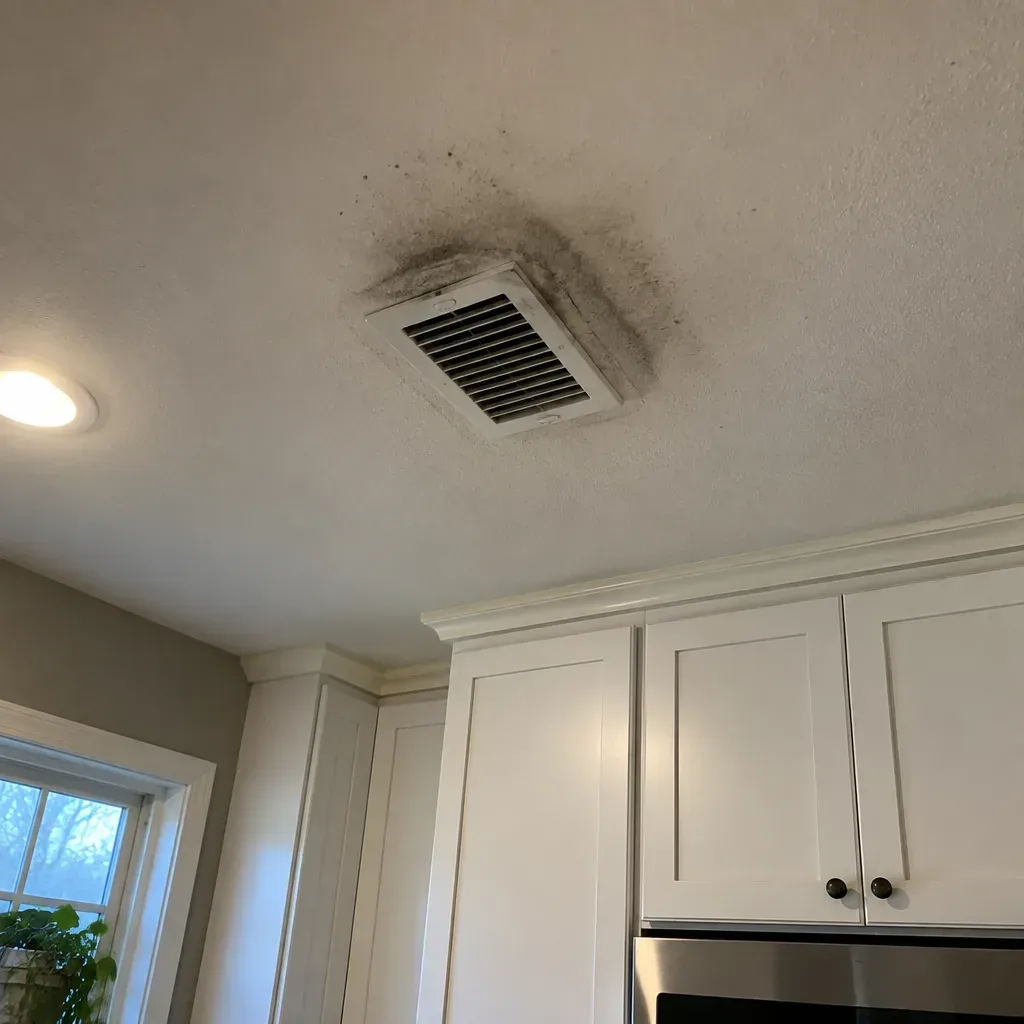
Air ducts can tick, scrape, or rasp when airflow shifts a panel or temperature changes the metal. A fan may also make a repeating sound while it runs. Compare the noise with the timing of a fan, heating cycle, or airflow change. Duct sounds often track system operation, while a sound that continues independently deserves a broader assessment. Tell the inspector what equipment was running and whether the noise changed when it stopped.
How Rodent Service Is Organized
The pro starts with your account of when the noise occurs and whether it moves or repeats. They assess accessible parts of the affected rooms and consider whether the pattern fits rodent movement or another source. They can also check possible building access routes and explain what the evidence supports before choosing control measures.
Rodent inspection cost reflects how readily the suspected area can be assessed and what corrective work the findings support. The pro compares when and where you hear noise with clues in accessible rooms; plumbing or building movement can sound similar. When other evidence supports rodents, the pros we connect you with can treat reachable travel routes, check devices as planned, and close openings linked to those routes.
Cost depends on whether inspection identifies a contained route and the recommended work can be completed, or whether later checks belong in the plan. Ask what signs would warrant another visit and what would allow service to end; continued coverage should have a clear monitoring purpose.
WHAT A STANDALONE VISIT AND LATER CHECKS REVEAL
| Treatment Approach |
Control Options |
|---|
| A contained rodent concern at onset | Prevention advice |
| Rodent movement persists after control | Treatment options |
| Several openings with recurring rodent evidence | Entry routes sealed; stations reviewed |
Protect Yourself During Rodent Cleanup
Keep a note of the room, time, and whether the sound follows a household system switching on or off. That pattern may help distinguish movement from ordinary equipment noise. If sounds persist or come with other signs, arrange an inspection. Avoid opening walls or ceilings to investigate; hidden wiring and other hazards may be present.
Openings That Allow Indoor Access
Scratching is a nuisance by itself, but rodent waste may carry germs if activity is present. Do not disturb droppings or dusty debris around the suspected area, since that can spread contaminated particles into the air. Keep children and pets away from visible waste, and ask a provider about safe cleanup if you find material in a wall opening or nearby room.
See What Goes Into a Rodent Quote
Whether access gaps need sealing can affect the estimate; request a breakdown of prevention work alongside any measures for current rodent activity.Your guide estimate reflects the inspection and control work anticipated from available details; added sealing or later checks are outside it unless included. What you pay depends on the findings and agreed scope. In ranch, split-level, or subdivision homes, signs and access can shape that work. The pros we connect you with can confirm any visit charge and the precise tasks covered when you call.pricing guide lays out each price band; Rodent Inspection explains how rodent-control work may be approached.