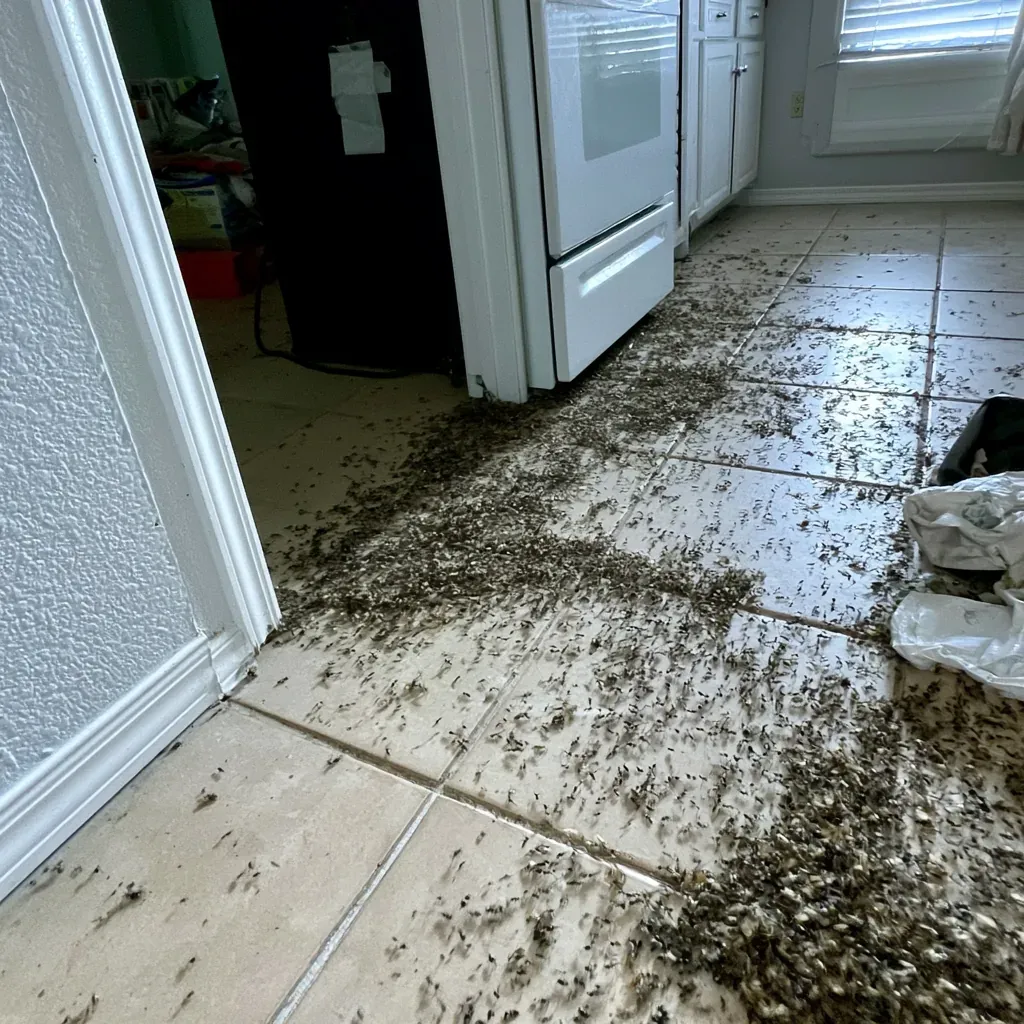
How Exterior Gaps Invite Indoor Access
The pattern of indoor signs can offer more context than a single deposit alone. A deposit inside any of them calls for the same first step: keep the material undisturbed and consult current public-health cleanup guidance before handling it.
The licensed pros we connect you with can explain what details would help them understand the concern. Wherever you live, the size and accessibility of an indoor accumulation help determine whether qualified cleanup assistance may be useful.
If your city or county has a page, use it to begin your inquiry; if it does not, the same referral is available. The property location helps the pros we connect you with understand which place your question concerns.
Protecting Building Interiors
- First Look
- Separate dark pellets may resemble rodent waste, but sight alone cannot verify their source.
- Dust Precaution
- Nearby gnawing or shredded material can add context without identifying what left the deposit.
- Nearby Activity
- Dry sweeping and vacuuming can stir contaminated particles into the room air.
- Cleanup Scale
- A broad patch or one blocked by heavy items may call for qualified cleanup help.
- Inspection Choice
- A record of where and when new material appears can help describe a changing pattern.
- GNaw MARKS
- Indoor deposits can be noticed in any season, and the time of year cannot establish when they appeared or whether activity continues. Judge the finding by its location and condition, avoid disturbing it, and follow current public-health cleanup guidance.
- PREVENTION GUIDANCE
- an estimated $80–$175
Small Pellets May Have Other Origins
Dried mud. Soil carried indoors can leave dark, uneven flakes or smears that resemble scattered debris. Droppings may look more like separate pieces, but a quick visual comparison cannot establish their source; do not handle the material to check. Dried mud tends to form an irregular smear or broken crust, while droppings may appear as separate pieces. Do not rub, crush, or sweep either material to compare them. A photograph taken from a safe distance can help a provider understand what you found.
What Follow-Up Checks Can Reveal
A provider can first discuss the deposit’s location, visible extent, and any nearby clues you have recorded. This helps determine whether the request is for an inspection, cleanup assistance, or both. The scope can vary with access and the conditions found; avoid disturbing the area while help is being arranged.
An inspection can help identify likely entry routes and signs of activity before a plan is chosen. Sealing access points may also be part of a broader plan. Follow-up timing and any adjustment to the approach depend on the service plan and findings.
Cost depends on whether the visit covers inspection and prevention guidance or includes devices needing scheduled attention. A one-time assessment may identify likely travel routes and practical changes; ongoing service fits when traps or bait stations are part of a plan that calls for provider checks.
SINGLE ASSESSMENT OR ACTIVITY TRACKING OVER TIME
| Service Scope |
Activity Clues |
|---|
| A few fresh signs in one area | Service scope |
| Rodent signs return between visits | Service cost factors |
| Activity signs along more than one entry route | Openings closed; placements inspected |
Protect Yourself During Rodent Cleanup
You can keep people and pets away, note where the material is, and take a picture from a safe distance without touching it. Avoid moving nearby belongings that may have contacted the material. Read current public-health cleanup guidance before deciding whether to proceed, and leave extensive or hard-to-reach deposits to qualified help.
Health Effects of Rodent Activity
Droppings indoors are a household safety concern, especially when an accumulation is broad or tucked into a space you cannot reach well. Those conditions can make it difficult to judge the extent of the affected area or manage cleanup safely. Use current public-health directions, and seek qualified cleanup help when the size or location makes the task difficult.
See What Goes Into a Rodent Quote
Whether access gaps need sealing can affect the estimate; request a breakdown of prevention work alongside any measures for current rodent activity.Your guide estimate reflects the inspection and control work anticipated from available details; added sealing or later checks are outside it unless included. What you pay depends on the findings and agreed scope. In ranch, split-level, or subdivision homes, signs and access can shape that work. The pros we connect you with can confirm any visit charge and the precise tasks covered when you call.pricing guide lays out each price band; Rodent Inspection explains how rodent-control work may be approached.