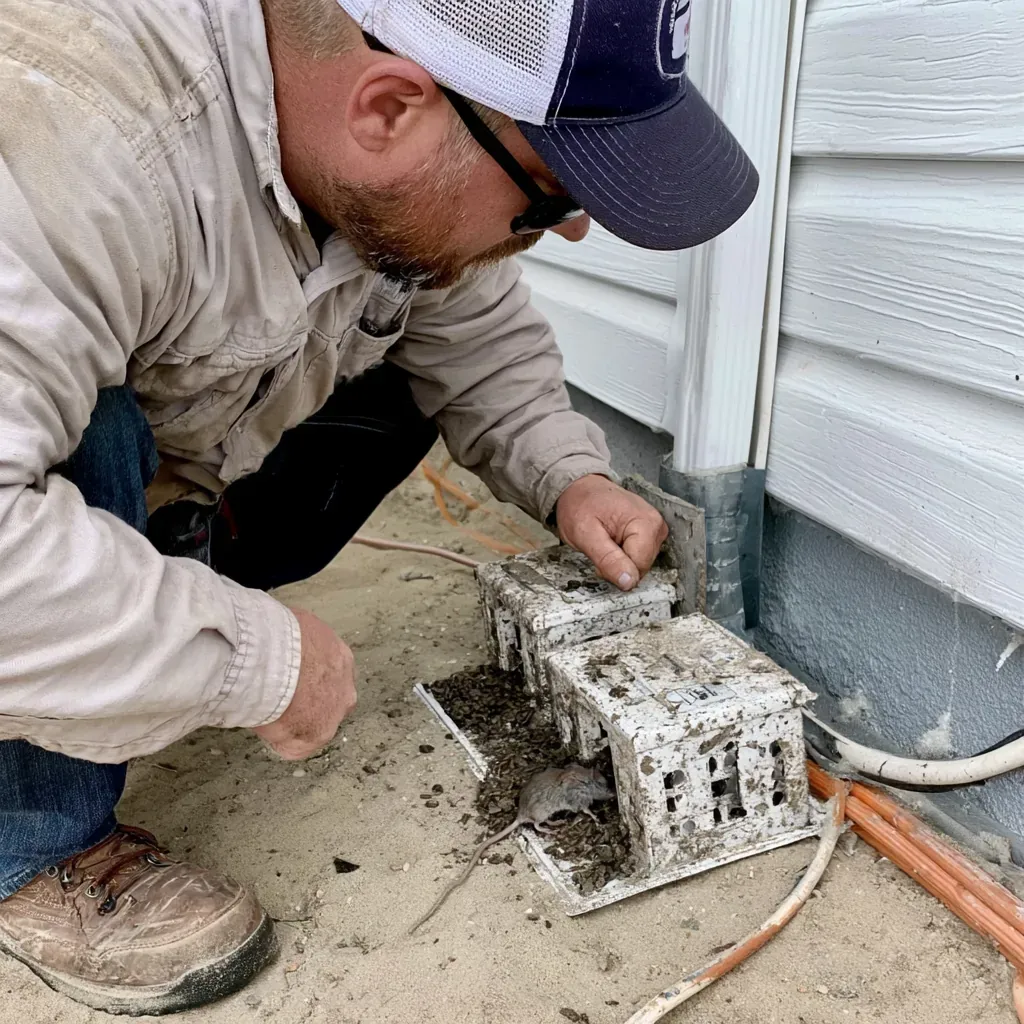
Control Choices Follow Inspection Findings
The licensed pros we connect you with can assess the layout and access conditions during an inspection. Those building details can shape where a provider considers station placement. An inspection determines whether a particular location is suitable.
Across the covered areas, houses range from ranches to split-levels on subdivision lots, and household routines shape whether a station can be kept away from children and pets. That makes placement planning part of a Protecta station visit; the provider should explain the product label directions and precautions for that home.
A page may cover a particular city or county, while nearby locations may not have a page of their own. Those inquiries still use the same referral, so include the property location when you describe what you need.
Comparing Control Approaches
- ROLE
- A station holds bait at a defined location; it does not seal openings rodents may use to enter the building.
- BAIT FIT
- A brand mark and model identifier on the housing help distinguish Protecta equipment from similar-looking enclosures.
- SITING
- The housing and bait must be matched before the station is placed.
- CHECKS
- Keeping a station in its planned position helps make later checks consistent.
- DIRECTIONS
- Ask which Protecta housing and compatible bait are proposed, where each unit would go, and what the product directions require for access and precautions.
- GNaw MARKS
- Heat can expand station materials, while cold may stiffen a lid or latch. Dry dust and grit, or debris left after thawing, can interfere with closure. A provider can check that a Protecta unit still closes and remains accessible during service.
- PREVENTION GUIDANCE
- an estimated $40–$50
Prints May Belong to Passing Animals
Snap traps capture rodents at the device, while Protecta bait stations hold bait inside an enclosure. Brand and model markings are a more reliable way to identify the housing than its shape alone. Use the printed or molded brand and model details on the housing to identify the station. A trap’s body and trigger are visible, while a bait enclosure has a compartment for bait. If markings are missing, ask the provider to confirm the equipment from the service record.
What Follow-Up Checks Can Reveal
The product name alone does not establish that a station suits the conditions found. Those findings guide whether a Protecta station fits the plan and where it can be placed. The selected model and bait must be compatible, with placement following the bait label.
The technician first checks for droppings, gnaw marks, and likely access gaps to understand where activity is occurring. If a Protecta unit fits those findings, the technician selects a compatible bait and positions the housing where it can be serviced without obstructing routine access, then records the location for the service file.
Cost depends on whether the visit covers inspection and prevention guidance or includes devices needing scheduled attention. A one-time assessment may identify likely travel routes and practical changes; ongoing service fits when traps or bait stations are part of a plan that calls for provider checks.
SINGLE ASSESSMENT OR ACTIVITY TRACKING OVER TIME
| Treatment Approach |
Control Options |
|---|
| A few fresh signs in one area | Service scope |
| Rodent signs return between visits | Service cost factors |
| Activity signs along more than one entry route | Openings closed; placements inspected |
FOOD SOURCE CONTROLFor EPA-registered rodent products, the product directions govern use, including station placement and precautions. The supplied facts establish no state-specific licensing rule or station code for this national page. Ask the provider’s invoice to distinguish station placement or inspection from any bait service performed.
Patterns That Help Locate Activity
When rodents continue to travel through a building, they can damage food packaging, stored belongings, and building materials. The affected goods may need disposal, while contaminated areas require careful cleaning and damaged materials may need repair. Cleanup should account for both visible debris and contamination in the affected area.
Notice Changes Near Building Edges
Opening the housing can expose bait and change the station setup. Keep children and pets away, and don’t open, move, refill, or handle it. You can ask the provider to explain the model, bait label, and inspection schedule; leave placement and servicing to them.
Why Control Plans Use Several Steps
Safe access depends on both the station’s condition and the bait label’s precautions. Look from a distance for a lid that appears open, damage, or bait outside the housing. Keep people and pets away, follow the product label, and contact the provider if the enclosure or its contents look disturbed.
See What Goes Into a Rodent Quote
Whether access gaps need sealing can affect the estimate; request a breakdown of prevention work alongside any measures for current rodent activity.Your guide estimate reflects the inspection and control work anticipated from available details; added sealing or later checks are outside it unless included. What you pay depends on the findings and agreed scope. In ranch, split-level, or subdivision homes, signs and access can shape that work. The pros we connect you with can confirm any visit charge and the precise tasks covered when you call.Open the pricing guide to see how service scope and site conditions shape rodent control costs.