Apartment Building Rodent Control
Multifamily Rodent Control
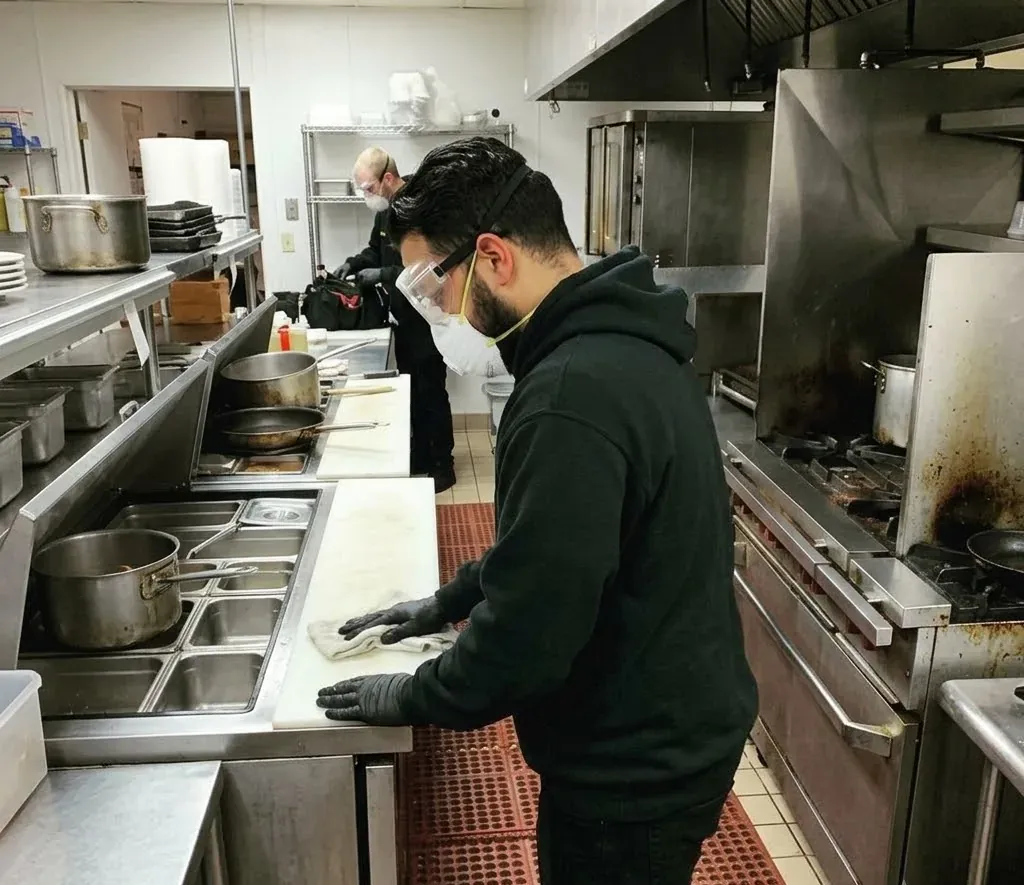
Coordinate restaurant rodent control across addresses with site-specific findings, shared records, and follow-up monitoring.
Restaurants can reduce repeat rodent problems by protecting food, recording findings separately for each address, and correcting sanitation and access issues. Coordinate inspections around operating hours, assign responsibility for repairs, and use follow-up monitoring to assess whether activity or site conditions have changed.
Restaurant rodent control costs shift with the number of addresses in scope, the rooms that need attention, available access windows, and whether rodent follow-up monitoring is part of the plan. For a group, a shared scope can make reports easier to compare, but each restaurant needs its own assessment because food, storage, waste, and service areas differ. A useful response links signs at each site to practical corrections, such as protecting food, changing sanitation practices, and closing entry routes, then checks whether activity returns. Start with facts from each address.
Operating schedules shape what an inspection can reach and what staff can safely move. A visit before preparation may expose storage edges and receiving areas; a quieter close may allow a look behind service equipment. For several restaurants, give the coordinator each address’s open hours, delivery periods, cleaning windows, and any rooms that need an escort. These details help the pros we connect you with plan access around food handling. If a room cannot be entered, record that limit so a later review can cover it.
If restaurant mice appear while customers are present, the manager should protect uncovered ingredients and stop using nearby food-contact surfaces until their condition is assessed. Restrict entry to the affected spot, alert the shift lead, and follow the restaurant’s food safety procedures for disposal and cleanup. Droppings or urine should not be stirred into the air by dry sweeping or vacuuming; contaminated material needs careful handling. Record the location and time, then arrange inspection of the surrounding route after the immediate service decision.
Use one reporting format across the group so managers can compare similar details, while keeping a separate record for each restaurant. Note what staff actually observed, such as a dropping, gnaw damage, or movement, and identify the room, nearby fixture, shift, and time. Add whether food was being received, stored, prepared, or cleared when the sign appeared. This context can help distinguish repeated reports in one area from similar events at different addresses. Make room labels specific enough for someone else to find the spot.
Access notes help explain gaps in a site’s history. Record which doors or rooms require a keyholder, when deliveries occupy receiving space, and whether equipment or stored supplies block an inspection point. Name a staff contact who can arrange entry at each address, along with a backup for other shifts. When a room was missed, preserve the reason and identify a workable return window. That lets group managers compare findings without mistaking an access delay for a clear inspection.
| Inspection zone | Evidence noted | Follow-up step |
|---|---|---|
| Referral path | Use a location page where one exists | Other areas connect through the same referral |
| Site ID | Address and restaurant name | Keep each record tied to its site |
| Stockroom condition | Sign observed and exact room | Compare patterns without combining locations |
| Food safeguards | Ingredients or packages set aside | Track handling decisions at the affected site |
| Access needs | Locked rooms, keys, and staff contact | Coordinate entry across site schedules |
| Work window | Prep, deliveries, and service periods | Find a workable access period |
| Service hour access | Cleanup, waste handling, and gap repairs | Record responsibility and completion status |
| Site trend notes | Device condition and signs that remain | Reassess the shared scope across locations |
Inspection should follow the restaurant’s own movement of supplies and refuse. Look at food storage, shelving edges, spaces under equipment, waste holding areas, and the route between receiving and preparation. A damaged package or accessible food can help explain why rodents return, while crumbs or accumulated refuse call for specific cleanup changes. Those steps reduce available food, but they do not block an opening in a wall or beneath a door. Keep findings tied to the address and exact area.
Where signs appear beside a prep counter or dish area, keep exposed items and the affected surface out of use until staff follow applicable food safety procedures. CDC guidance advises avoiding dust during cleanup because rodent waste can carry germs. The manager should document what was removed or cleaned and who restored the area for use. That record connects the immediate decision to protect food and surfaces with the later inspection.
An interior sign can point toward a route that begins outside the room. During inspection, note gaps around utility lines, door edges, and places where building materials meet, then relate those openings to the activity location. Small gaps can admit rodents, so a correction may involve sealing an identified route after the provider evaluates it. For a group, descriptions such as “pipe opening behind dry storage” help maintenance staff act at the right address and make later checks more useful.
Each written report should show which address was visited, which rooms were accessible, what evidence was found, and what corrective work was recommended. Separate observations from conclusions: a gnawed carton is a finding, while the suspected route belongs in the assessment. Assign a role at the restaurant for sanitation or repair follow-through and note when the task is complete. A central manager can review open items across the group, while the underlying records remain identifiable by site.
If traps or bait stations are part of the provider’s plan, staff need a clear map of device locations and instructions for avoiding interference. The pros we connect you with should explain how those devices are checked and what restaurant employees should do if one is moved, damaged, or inaccessible. Keep the directions with the site record and make them available to each shift lead. This keeps device observations comparable over time and clarifies responsibility when staff rotate between locations.
Rodent follow-up monitoring compares the current condition of a restaurant with its earlier inspection record. Use the same room labels, review whether signs appeared again, and note if a previously identified gap or sanitation issue remains. The provider can decide whether the plan needs adjustment based on what the check finds. Set the next review around access at that address, and record any area that could not be examined so the result is not mistaken for a complete picture.
Across a restaurant group, a shared summary can flag recurring concerns, such as reports linked to receiving areas, while each location keeps its own timeline and corrective tasks. Compare patterns only after confirming that room names and reporting practices mean the same thing at each site. A central operations contact can route trends to the right local manager, who verifies conditions in person. This keeps a group-wide view useful without treating every restaurant as if its layout and routines match.
Before requesting an assessment, prepare a short brief for every restaurant: address, recent observations, precise affected rooms, service hours, delivery and cleaning windows, and entry instructions. Include relevant cleanup, repair, or earlier monitoring records, and identify food areas staff had to protect or close. If some sites have no current report, say so instead of combining them with an affected location. The pros we connect you with can use these separate details to discuss a scope across addresses.
This site has location pages for some places; where a restaurant’s location has no page, the same referral can connect its request to the pros we connect you with. Include the affected equipment and service need in each request to help clarify the work at each location. For a group, keep one contact for coordinating requests and local contacts for access and food-protection decisions. Share updates between shifts so new observations and completed corrections enter each address’s record.
For a restaurant group, one rodent control scope can keep each address’s findings and assigned corrections in a shared record while preserving differences that affect service. A kitchen may need food covered and work surfaces cleared before control begins; a storage or waste area may call for a separate access window. You can compare dates, sightings, and completed repairs across locations to spot unresolved patterns. Give the pros we connect you with your operating hours, affected areas, and entry requirements so the assessment fits each site.
The linked locations have house rodent-control pages; elsewhere, droppings, gnaw marks, or sounds may be the first signs that lead you to ask about an inspection, includingAnniston AL, Auburn AL and Birmingham AL. Ask whether a return appointment has its own fee and what the service charge includes.
A warehouse quote can be shaped by how much floor space is included and the planned visit pattern. Dense shelving, stored inventory, and limited access may alter inspection and device work. Treat $80–$175 as a guide figure, then check which areas and monitoring tasks are listed.A commercial estimate may include sealing supplies for openings found during inspection, alongside the selected control measures. When you call, note any access limits and ask whether the inspection has a charge; request the proposed scope in writing.Commercial cost bands are listed at pricing guide; commercial overview explains how scheduled service is set up.
Multifamily Rodent Control
Commercial Offices
Multi-Site Warehouse Control
Keep a separate entry for each restaurant, with the area, time, and conditions staff noticed. Ask staff whether they noticed the same issue on earlier shifts. Record immediate actions under your food safety procedures, then attach later inspection or repair updates to that location’s record so managers can follow the issue across shifts.
For each address, share when preparation, deliveries, dining, and closing take place, along with periods when storage or service spaces can be opened. Choose a site contact who knows which areas are restricted and can coordinate entry with the manager on duty. This lets the pros we connect you with plan access around operations while keeping each restaurant’s arrangements distinct.
Before work in a food area, secure ingredients and prepared items according to your handling procedures. Identify any food or packaging that may have been affected and follow the restaurant’s established steps for evaluating it. Keep staff informed about areas temporarily set aside during service, and make sure food protection measures are included in the plan for each address.
When signs appear again, compare the new location and circumstances with that restaurant’s earlier records. Check whether a sanitation change or building repair was completed, and whether the affected area was later checked. Give the provider the updated record so the next inspection can focus on what has changed and whether the agreed corrections need further attention.
Gather each restaurant’s sighting notes, affected areas, operating hours, and access needs before requesting a site-specific assessment.
Call (866) 583-0187