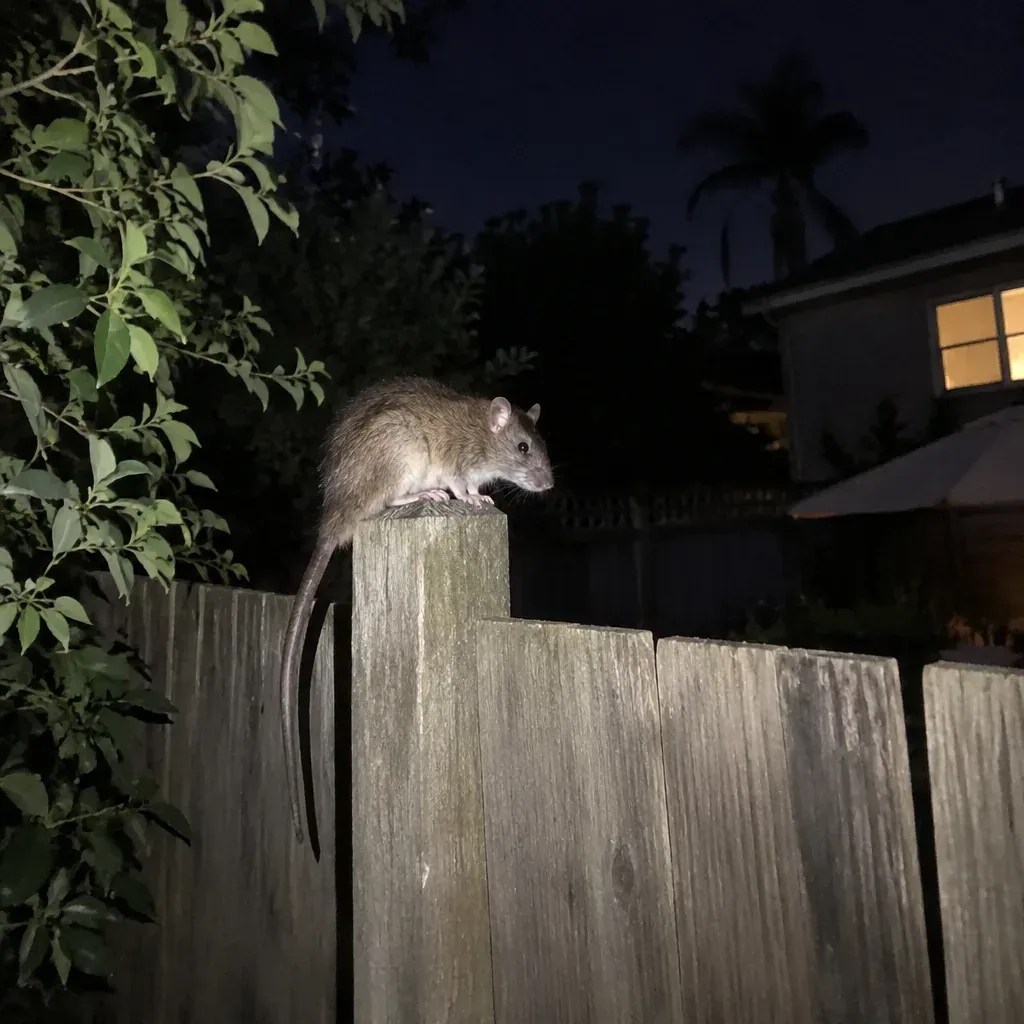
Prevention Starts Beyond The Sightings
Roof rat signs can appear away from the opening used, so a careful inspection can help connect the clues. Elsewhere, requests connect through the same referral. Across these areas, ranches, split-levels, and subdivision lots each present different roof access and inspection conditions.
Weather changes how safely and easily a provider can reach roof edges, while tree growth and seasonal debris can alter access around a house. Ask whether current conditions limit the exterior inspection and which accessible indoor areas can be assessed in the meantime.
This site has pages for some cities and counties, with other locations reached through the same referral. When you contact us, give the property location so the pros we connect you with can consider the request in context.
What Shapes Service Scope
- CLUES
- Record where each clue appears and whether it changes, so the inspection has useful context.
- ROUTES
- Branches, roof edges, eaves, and utility connections can form routes toward elevated openings in a building.
- OPENINGS
- Traps and bait work at chosen activity points; access, safe placement, and scheduled attention affect their usefulness.
- CONTROL
- Closing a verified opening can limit access, and later checks help assess whether signs continue.
- REVIEW
- Ask how the inspection will trace elevated routes, what access can be sealed, where devices can be checked, and when the provider plans to review activity.
- NESTING MATERIAL
- Indoor signs are still useful to note when weather delays an exterior check. Ask whether weather changes the inspection plan and when exterior areas can be checked safely.
- FOLLOW-UP NEEDS
- an estimated $325–$575
Noise in Walls Has Other Sources
Weathered roof trim can look chewed when paint flakes or wood fibers break away. Rodent damage is more likely to appear as localized contact marks, but an inspection should consider surrounding clues before attributing the wear. Check the mark’s location and pattern against the surrounding surface. Chewing may leave a concentrated area of damage along a route, while exposure can roughen a wider edge. Nearby evidence and a professional inspection help distinguish the causes.
Factors That Shape Service Cost
The provider starts with your reported clues, then inspects accessible attic areas and traces likely travel paths toward eaves, roof joints, and utility openings. It records evidence and checks whether openings connect to the affected space. Those findings guide recommendations for devices, access repairs, and follow-up.
The pro first examines accessible attic areas and elevated openings for signs and likely travel routes. After assessing those findings, they explain whether trapping, baiting, sealing identified access, or a combination fits the structure. Monitoring checks can help show whether activity remains; the service plan sets their timing and how devices are checked.
A contained route may be addressed in one appointment when the access point is found and the agreed work can be completed there. If signs turn up in separate areas or devices need later attention, ask what each return visit would assess before choosing a continuing plan.
SERVICE SCOPE: INITIAL REVIEW VERSUS RETURN OBSERVATIONS
| Bait Safety |
Use Precautions |
|---|
| Rodent activity noticed before it grows | House assessment |
| Open gaps allow another indoor visit | Referral coverage |
| Rodent traces near multiple access gaps | Access gaps blocked; traps assessed |
HOUSEHOLD SAFETYRequirements for pest-control work and products vary by location. Ask the provider to identify applicable local rules and itemize inspection, devices, sealing, cleanup, and follow-up on the invoice. Ask who will document completed work and any changes made during follow-up.
Disturbed Food and Packaging
As roof rats travel through attic spaces, they may chew wiring insulation, stored belongings, or building materials. Droppings and urine can soil insulation and other surfaces. Repairs may involve an electrician or building professional, while contaminated areas may need careful cleanup before they can be used again.
Reduce Food Sources Around The Home
You can note the dates and rooms where overhead activity occurs, then share that pattern with a provider. If roof edges are visible from indoors or the ground, record what you see without trying to reach them. Read the label before handling any household bait, and leave device placement and elevated access work to the service professional.
How Follow-Up Guides Further Action
Roof rat control cost reflects whether signs point to one travel route or activity across several upper-level areas. Scratching overhead, gnaw marks, or droppings near rafters can prompt an inspection for roof rats and elevated entry points. Traps or bait may address activity; sealing can limit access, but each depends on the findings. Avoid stirring debris during cleanup. Avoid stirring debris so droppings and other signs remain easier to assess.
Check Which Tasks Affect the Total
Ask what preparation may be needed and whether you will need to leave the property during any part of the service.Your guide estimate reflects the inspection and control work anticipated from available details; added sealing or later checks are outside it unless included. What you pay depends on the findings and agreed scope. In ranch, split-level, or subdivision homes, signs and access can shape that work. The pros we connect you with can confirm any visit charge and the precise tasks covered when you call.Cost bands are listed in pricing guide. Use Rat Control to learn what rodent-control work can include after an inspection.